

The Gold Standard: Navigating US Engineering Protocols for Hydropower

Why Standards Matter

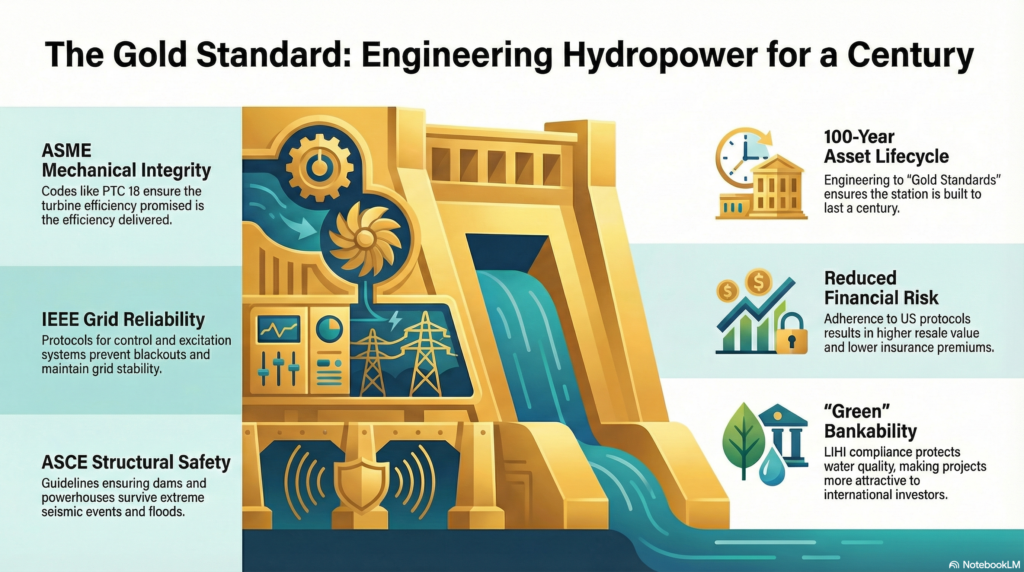
In the world of high-head turbines and massive water pressure, there is no room for error. Following the American «Gold Standard» of engineering ensures that a hydropower plant is not just a building, but a high-performance asset designed to last a century. At asumbhydro, we align our technical reviews with the most rigorous US protocols to guarantee safety and efficiency.

1. Mechanical Integrity: ASME Standards

The American Society of Mechanical Engineers (ASME) provides the blueprint for the «heart» of the station.

  • ASME PTC 18 (Hydraulic Turbines): This is the definitive code for testing the performance of hydraulic turbines and pump-turbines. It ensures the efficiency you were promised is the efficiency you get.
  • ASME Boiler & Pressure Vessel Code (BPVC): Critical for Penstocks (the high-pressure pipes). We ensure that every weld and material thickness can withstand extreme water hammer effects.
  • ASME PTC 29: Specialized guidelines for speed-governing systems, essential for maintaining stable turbine rotation.

2. Grid Reliability: IEEE Protocols

The Institute of Electrical and Electronics Engineers (IEEE) sets the rules for how the plant speaks to the power grid.

  • IEEE 1010: The comprehensive guide for the control of hydroelectric power plants.
  • IEEE 1207: Guidelines for the application of turbine governing systems.
  • IEEE 421.5: The standard for excitation system models, crucial for grid stability and avoiding blackouts.

3. Civil Engineering & Dam Safety: ASCE Guidelines

The American Society of Civil Engineers (ASCE) focuses on the structural «bones» of the project.

  • ASCE Civil Engineering Guidelines for Planning and Designing Hydroelectric Developments: A multi-volume manual covering everything from waterways and intakes to powerhouses.
  • Dam Safety Standards: Following US Bureau of Reclamation and ASCE protocols ensures the structure can survive extreme seismic events and floods.

4. Environmental & Sustainability Compliance

Modern US standards now integrate ecology into engineering.

  • IHA & Low Impact Hydropower Institute (LIHI): We look for adherence to standards that protect water quality and fish passage, ensuring the project remains «Green» and bankable for international investors.

Conclusion: Engineering for the Next 100 Years

Building to US standards isn’t just about compliance; it’s about Risk Management. A plant designed under ASME and IEEE protocols has a significantly higher resale value and lower insurance premiums. With asumbhydro and Gugler technologies, you are choosing a future built on the world’s most trusted engineering foundations.

Submit details. Get custom technical calculations

Submit your project details, and our engineering team will provide a comprehensive technical calculation. We analyze head, flow, and site conditions to ensure maximum efficiency for your future plant.

1taraza ii, colombia, 2024
Resource Center

The Big Three: Choosing the Right Hydro Turbine

The Heart of the Plant Choosing the correct turbine is the most critical decision in hydropower engineering. The choice depends entirely on two factors: Head ...
Read More →
1bach dang, vietnam, 2021
Resource Center

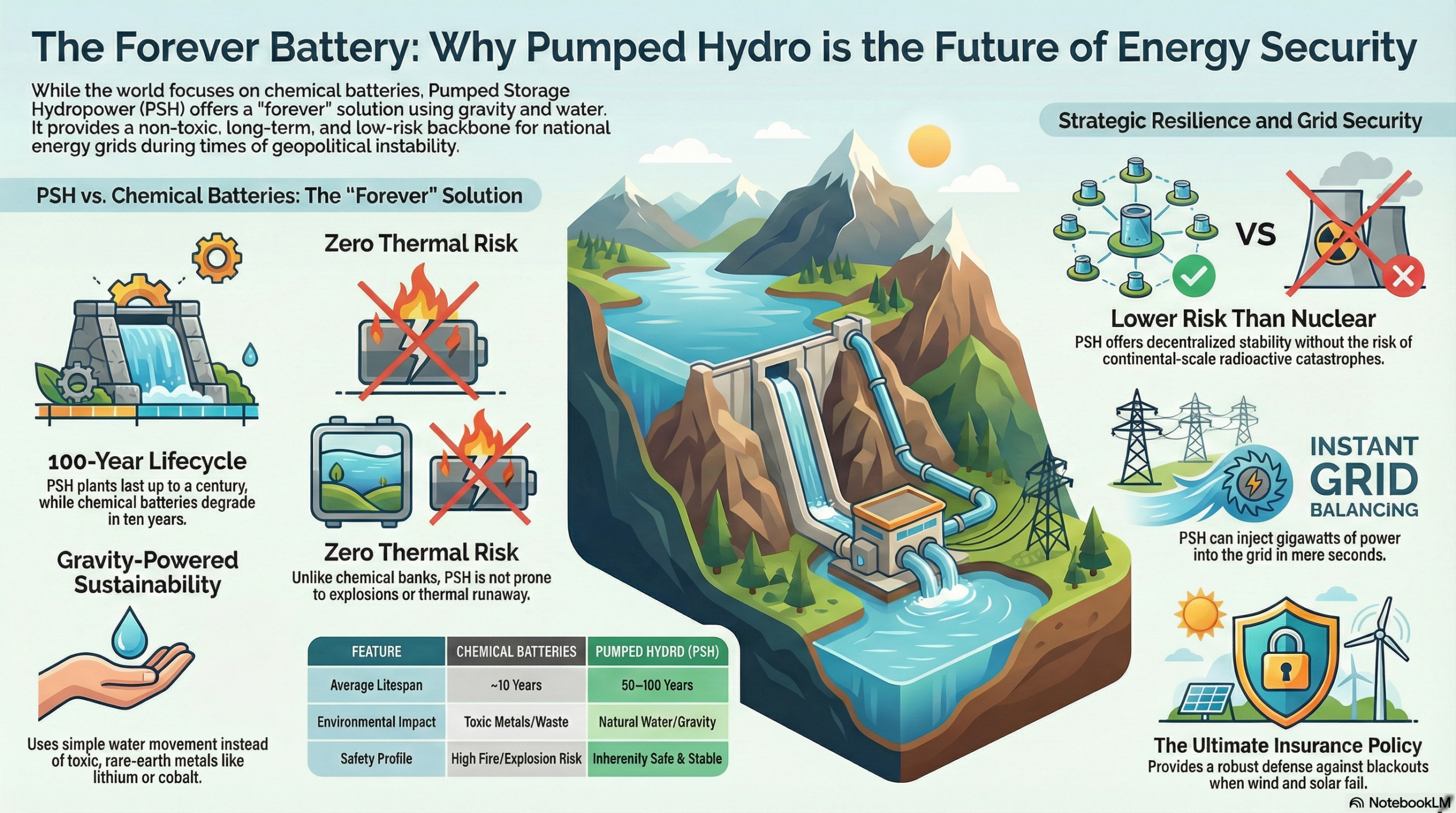
The Gravity Battery: Why Pumped Hydro is the Only Sovereign Solution for Global Energy Security

Оставьте комментарий / Editors Pick, Stock Market / От asumb The Gravity Battery: Why Pumped Hydro is the Only Sovereign Solution for Global Energy Security The Battery Myth vs. Natural ...
Read More →
Classic Hydro

Why Pumped Storage Hydropower is the Ultimate Energy Security Solution

Discover why PSH is the only reliable «gravity battery» for grid stability. Learn why chemical batteries and nuclear risks can’t match the safety and scale ...
Read More →
Land & Sites

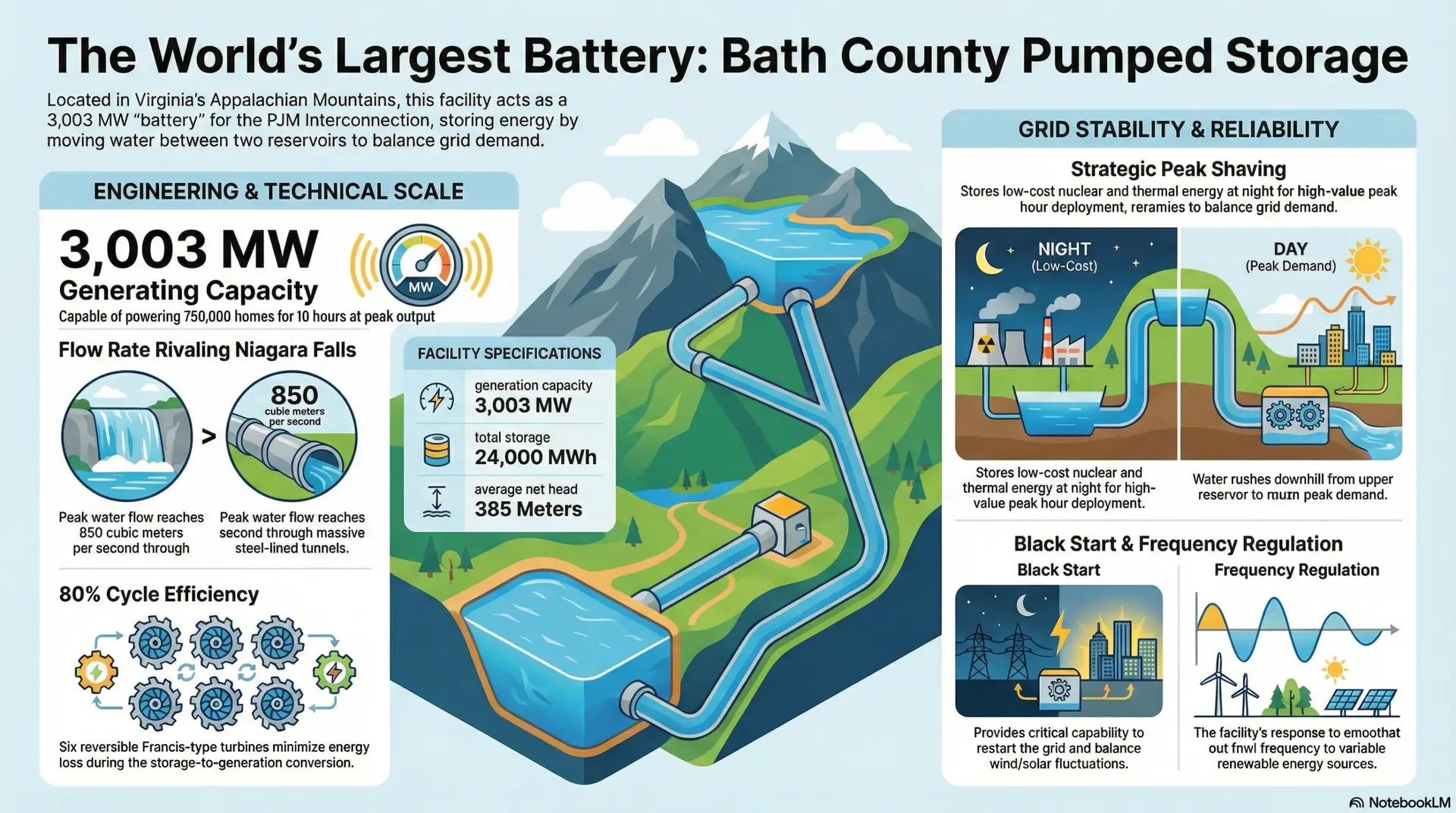
The Giant of Storage: Technical Overview of Bath County PSH

IThe Bath County Pumped Storage Station is a true engineering marvel. It is located in Virginia, USA. Many experts call it the «World’s Largest Battery.» ...
Read More →
Classic Hydro

Site Integrity in Pumped Storage Hydropower: The Foundation of Geological and Geodetic Surveys

The viability of a Pumped Storage Hydropower (PSH) project depends entirely on the structural integrity of the site. Before a single cubic meter of concrete ...
Read More →
Portfolio

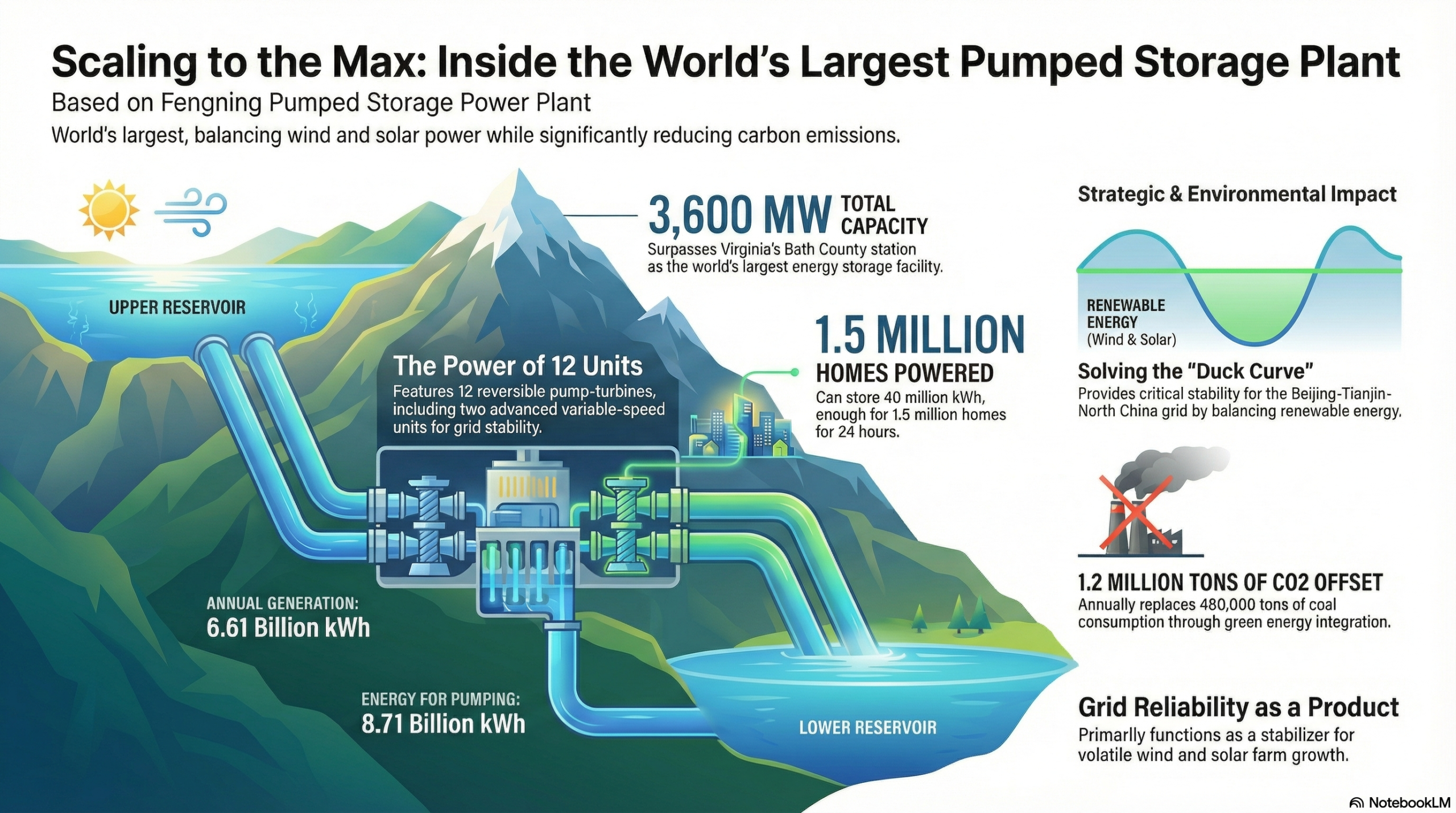
Scaling to the Max: Lessons from the World’s Largest PSH Plant in China

The Apex of Pumped Storage The Fengning Pumped Storage Power Plant in Hebei Province is a record-breaking achievement. With a total capacity of 3,600 MW ...
Read More →

Hydro News

Оставьте комментарий

Ваш адрес email не будет опубликован. Обязательные поля помечены *