
Energy Storage System for a Century: Why Scale and Longevity Matter

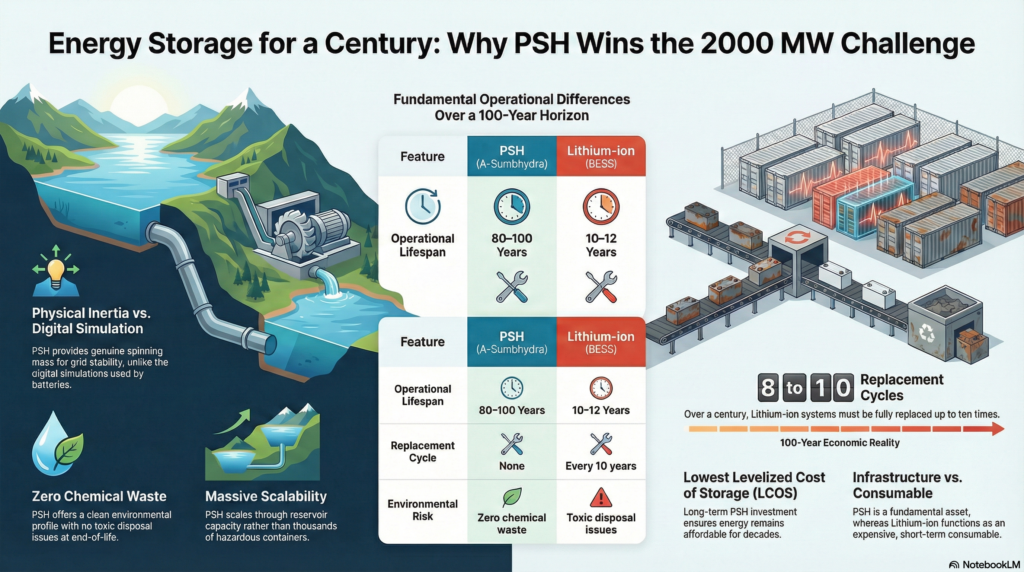
In the modern energy landscape, choosing the right Energy Storage System (ESS) for a 2000 MW project is a decision that defines grid stability for the next 100 years. While lithium-ion batteries are popular for small-scale tasks, large-scale industrial infrastructure requires a more robust and cost-effective solution: Pumped Storage Hydropower (PSH).

The 2000 MW Challenge: PSH vs. Lithium-ion

To store energy for a major region (10–20 hours of discharge), the difference between technologies becomes staggering.

FeatureA-Sumbhydra PSH (ESS)Lithium-ion (BESS)
Operational Lifespan80–100 Years10–12 Years
Replacement CycleNone (Built for generations)Every 10 years (High cost)
Grid InertiaPhysical Inertia (Spinning mass)Digital simulation only
ScalabilityMassive (Dependent on reservoir)Thousands of hazardous containers
Environmental RiskZero chemical wasteToxic disposal issues

Экспортировать в Таблицы

Why 100 Years is the Only Standard

A PSH station is not just a battery; it is a fundamental infrastructure asset. Over a 100-year period, a lithium-ion system would need to be completely replaced 8 to 10 times, making it an incredibly expensive «consumable» rather than a stable investment. PSH provides the lowest Levelized Cost of Storage (LCOS), ensuring that the energy remains affordable for decades to come.

Our Global Approach

At A-Sumbhydra, we follow the highest international standards to ensure every project is a success:

  • Rigorous Engineering: Every cubic meter of water and meter of head is calculated for maximum efficiency.
  • World-Class Standards: Our projects are designed to meet ESG requirements and the strict criteria of international financial institutions.
Land & Sites

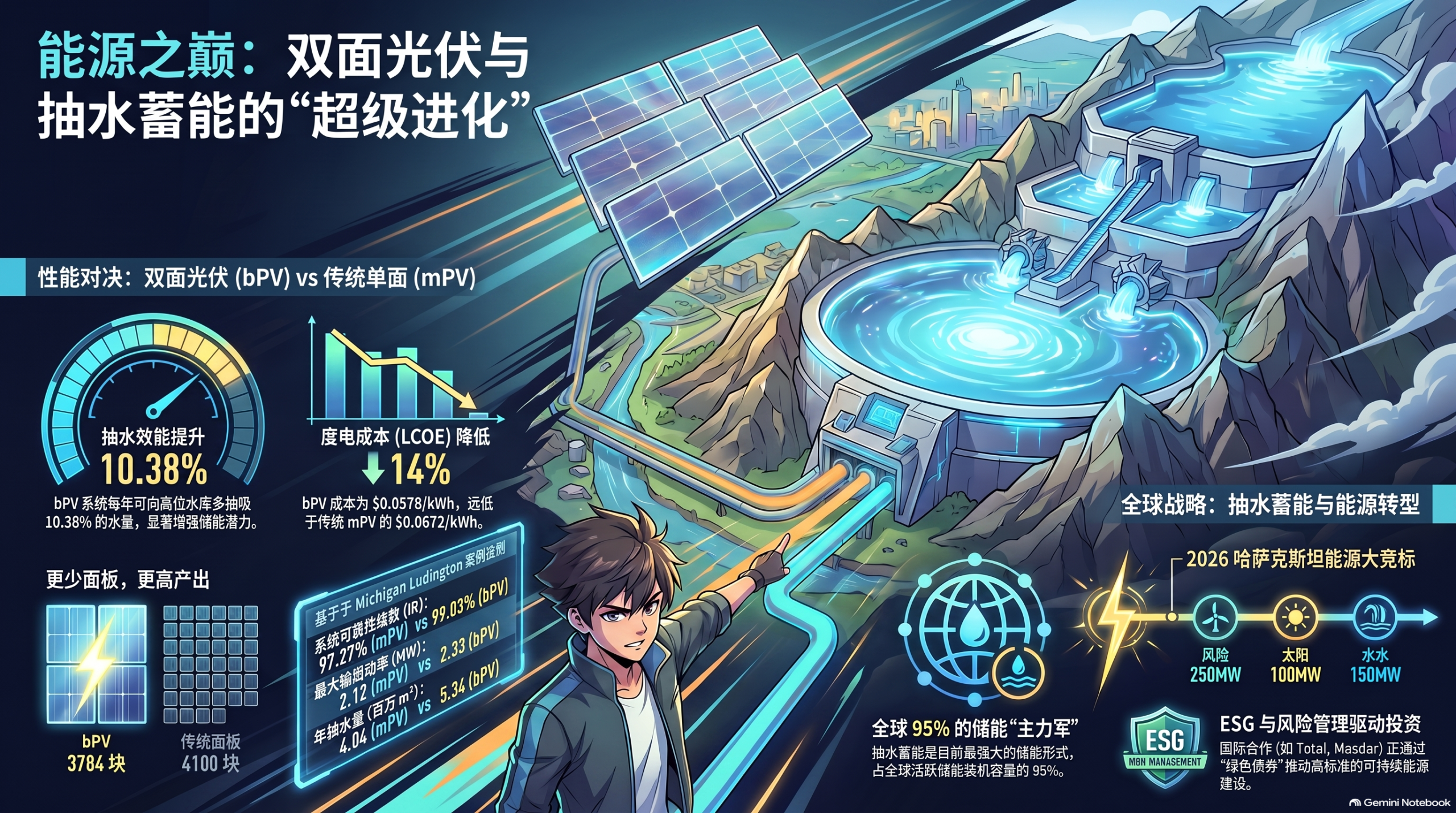
项目概况

本项目为位于哈萨克斯坦阿拉木图州卡普恰盖地区(伊犁 ...
Read More →
Storage

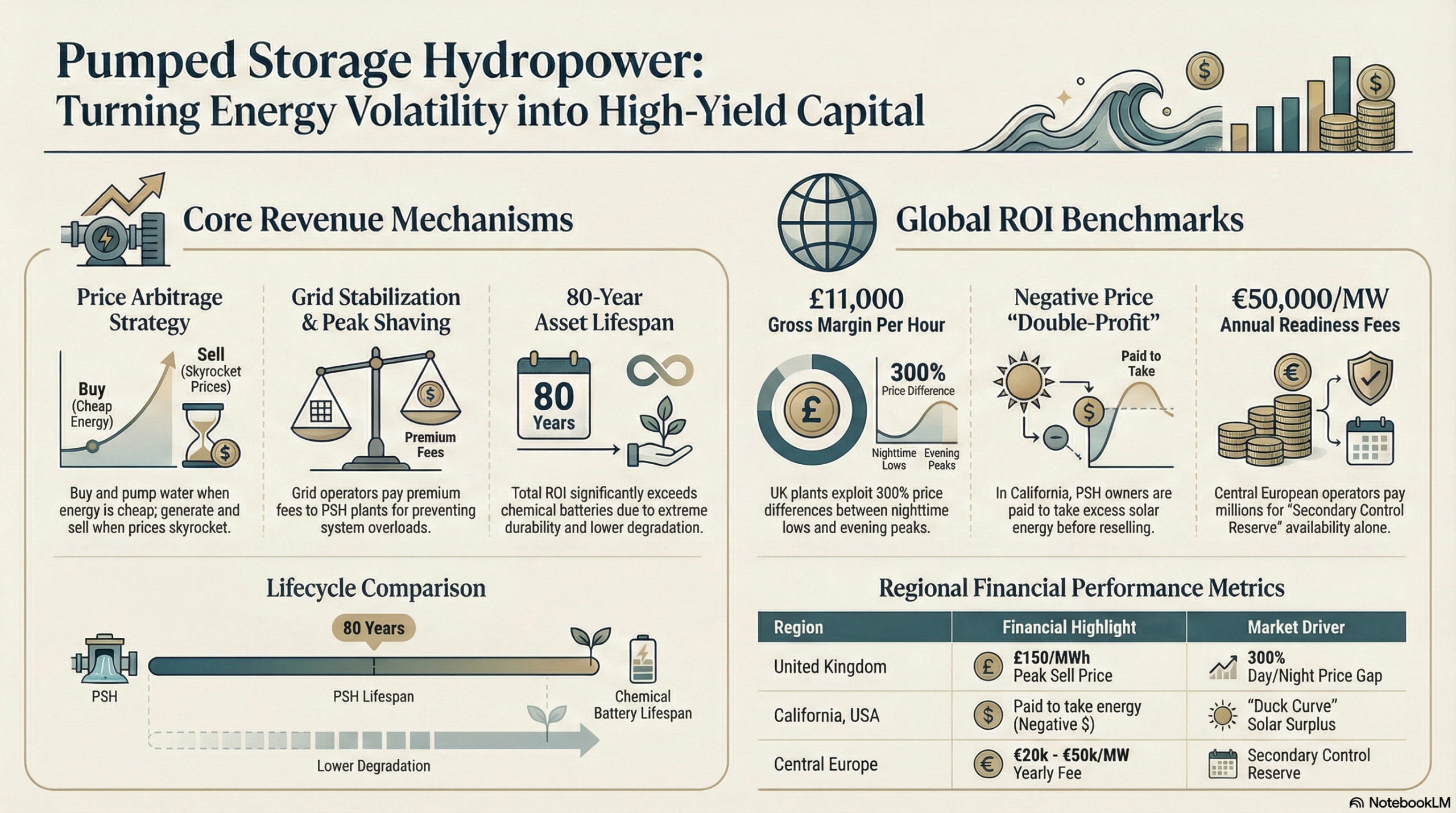
The ROI of Storage: How PSH Pays for Itself by Peak Shaving

Turning Time into Money Electricity prices are not constant. Instead, they fluctuate wildly based on the time of day. Pumped Storage Hydropower (PSH) allows investors ...
Read More →
Classic Hydro

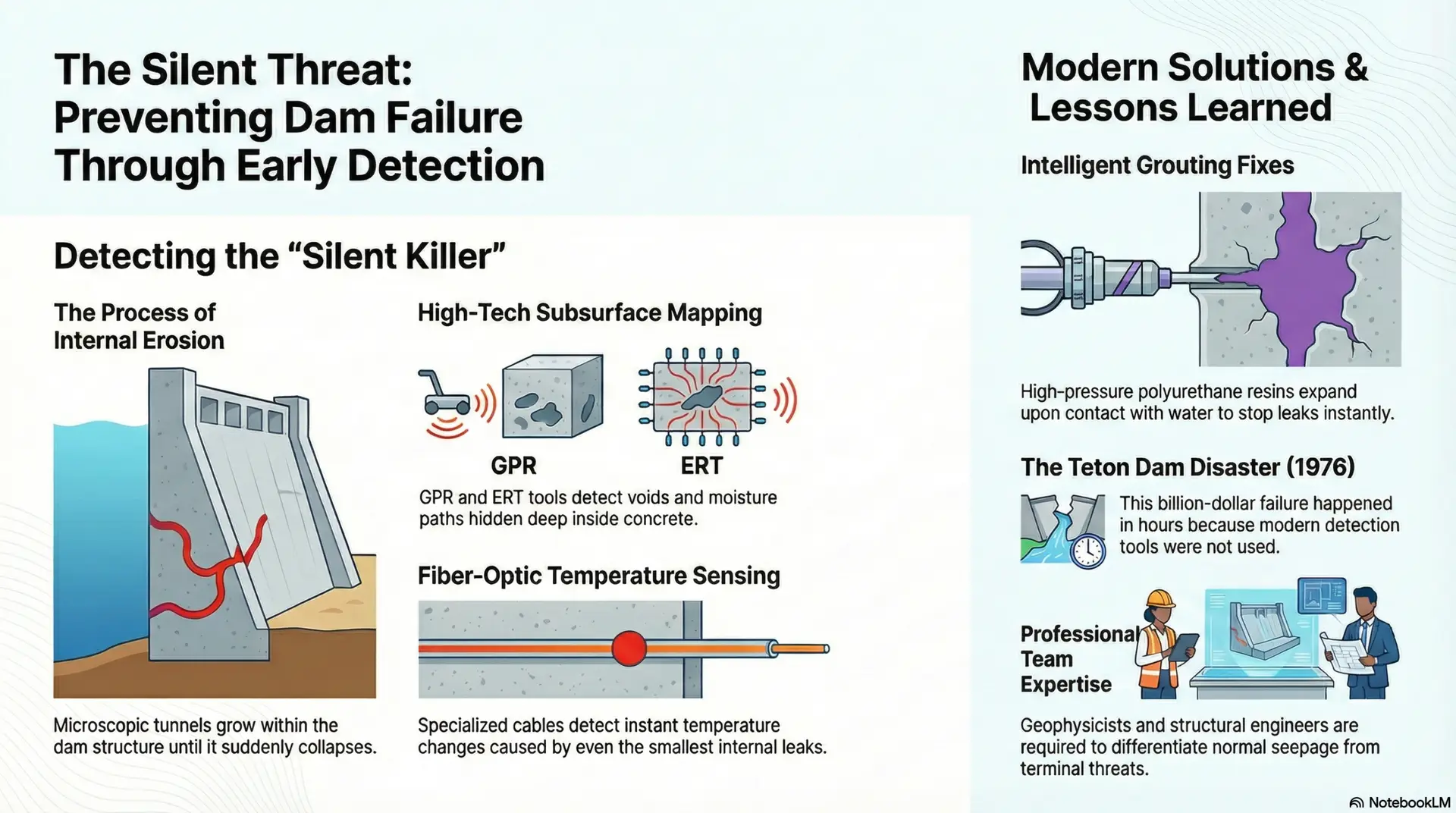
The Silent Threat: How to Detect and Fix Dam Erosion Early

The Enemy Within Internal erosion is the leading cause of embankment dam failures worldwide. Specifically, water begins to create microscopic tunnels through the structure. Consequently, ...
Read More →
Resource Center

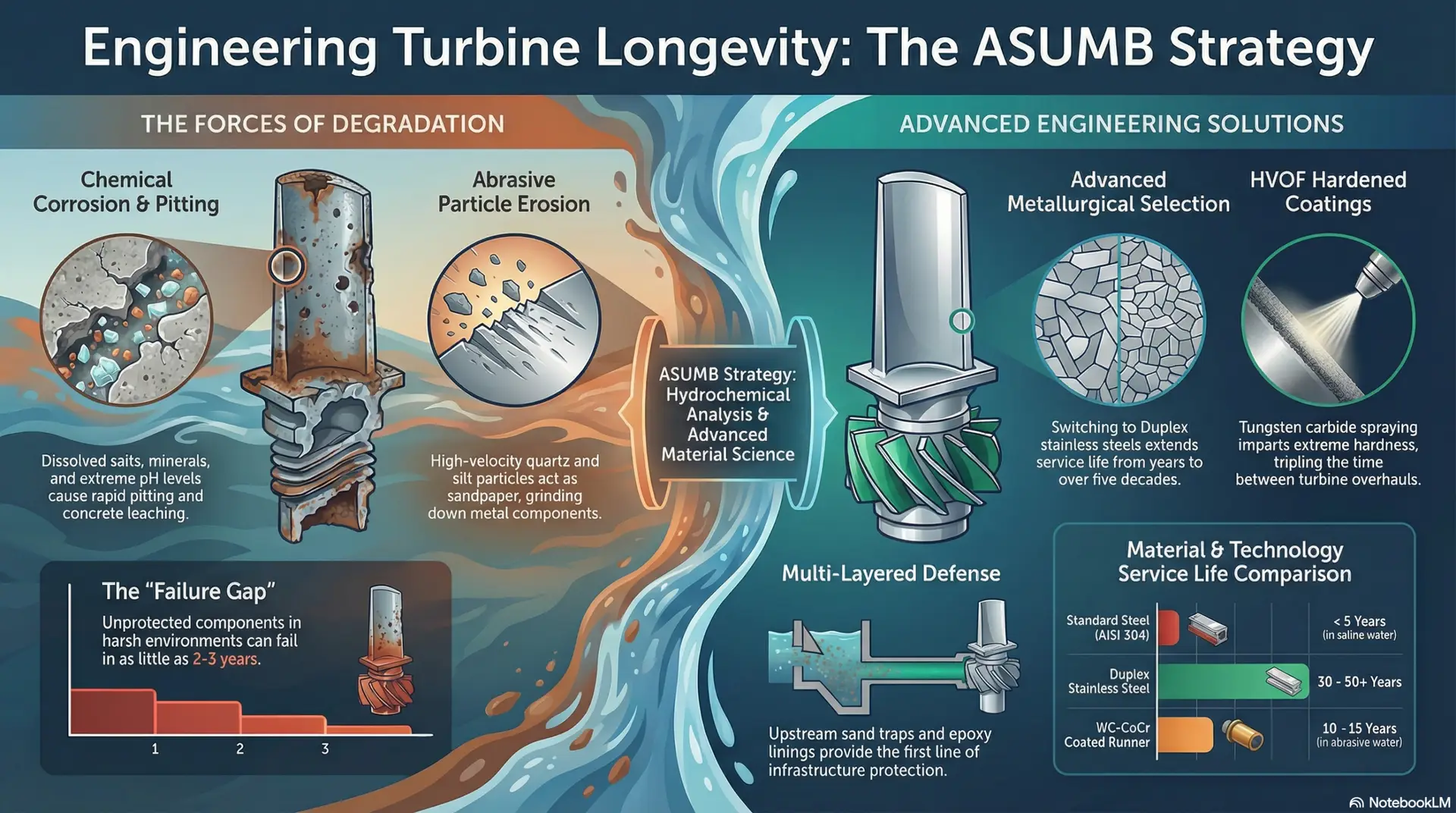
Hydrochemistry & Metallurgy: Engineering Turbine Longevity in Hydropower

The operational lifespan and efficiency of hydropower infrastructure, particularly high-speed turbine components, are profoundly influenced by the interaction between water chemistry and material science. For ...
Read More →
Quality Standards

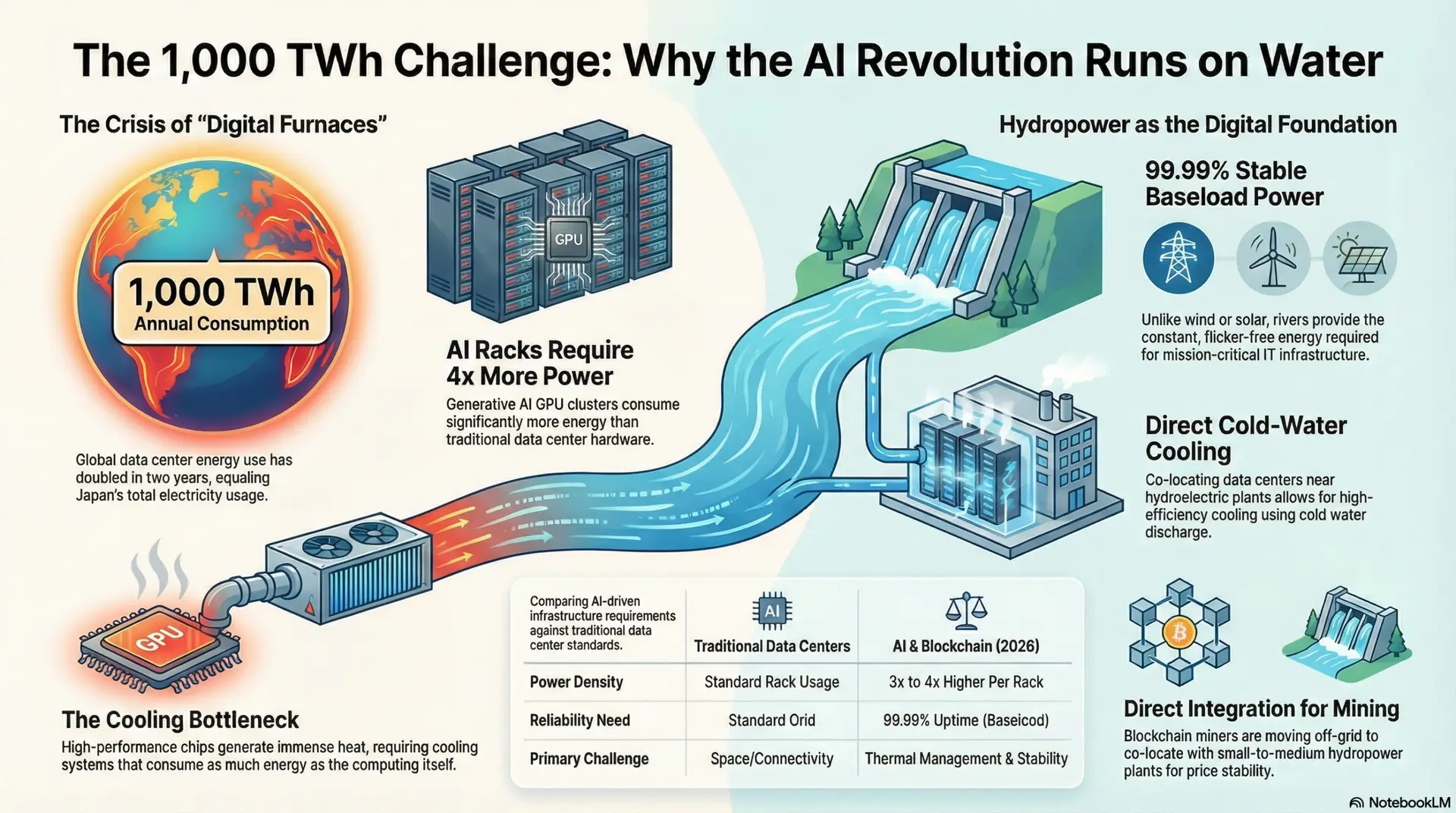
The Digital Appetite: Why the Future of AI and Mining Depends on Water

The 1,000 Terawatt-Hour Challenge In 2026, the world has reached a tipping point. The rapid expansion of Artificial Intelligence (AI) and the evolution of blockchain ...
Read More →
Quality Standards

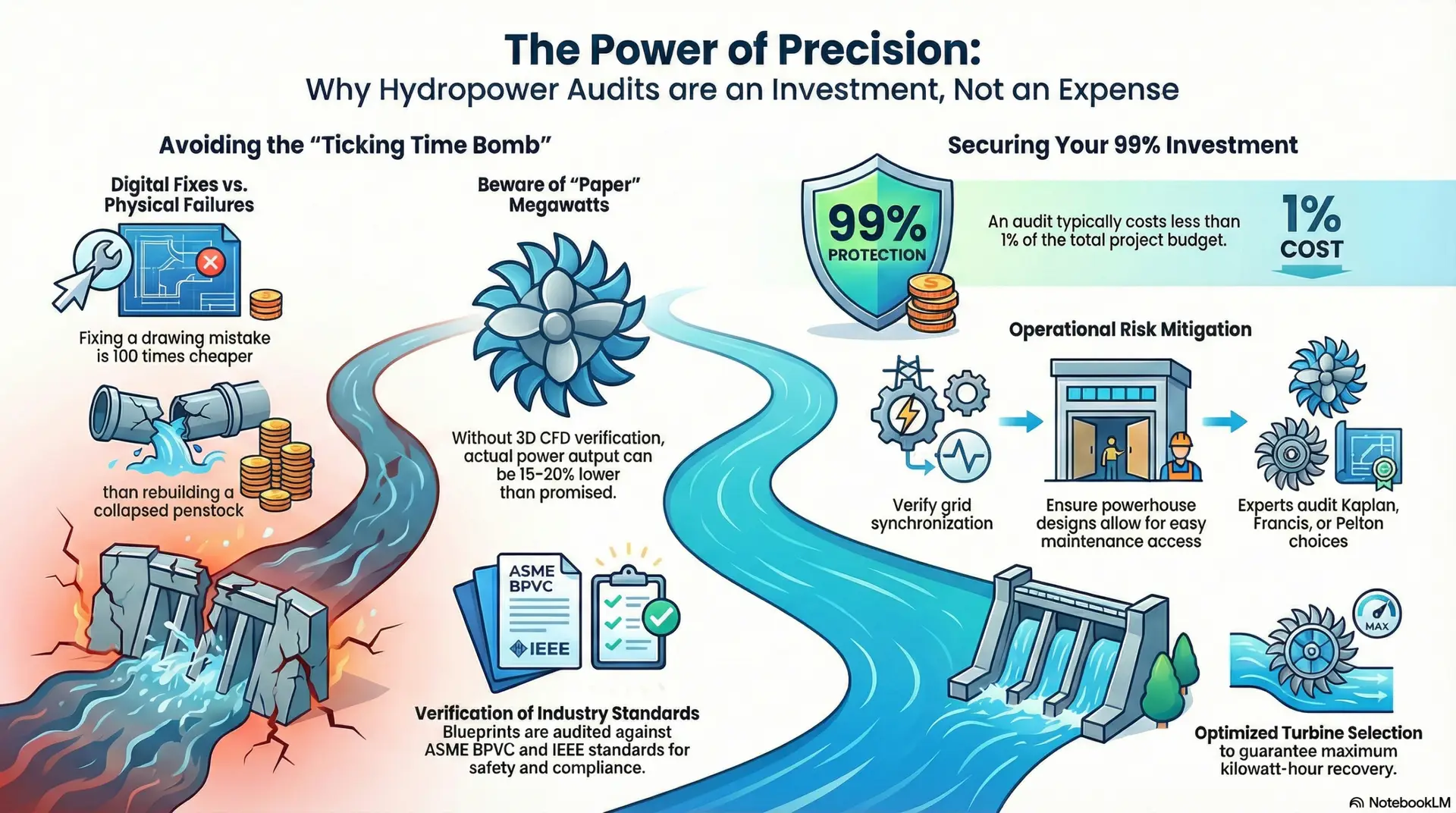
Technical Audit: How We Verify Third-Party Hydropower Projects

Why Audit is an Investment, Not an Expense Investors often view a technical audit as an additional cost. However, in the high-stakes world of hydropower, ...

Read More →

Submit details. Get custom technical calculations.

Submit your project details, and our engineering team will provide a comprehensive technical calculation. We analyze head, flow, and site conditions to ensure maximum efficiency for your future plant.

HydroNews