
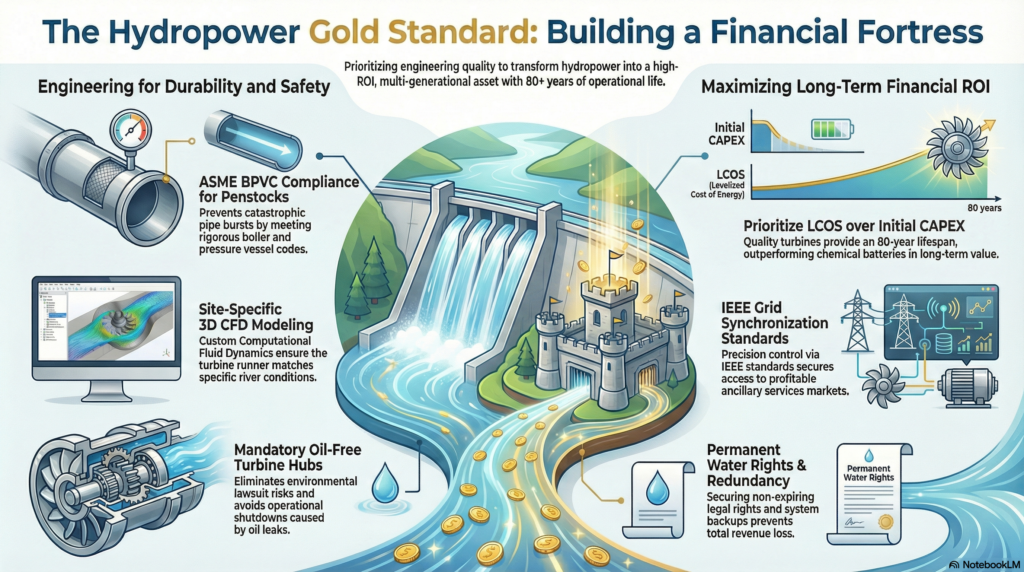


The Big Three: Choosing the Right Hydro Turbine
The Heart of the Plant Choosing the correct turbine is the most critical decision in hydropower engineering. The choice depends entirely on two factors: Head ...
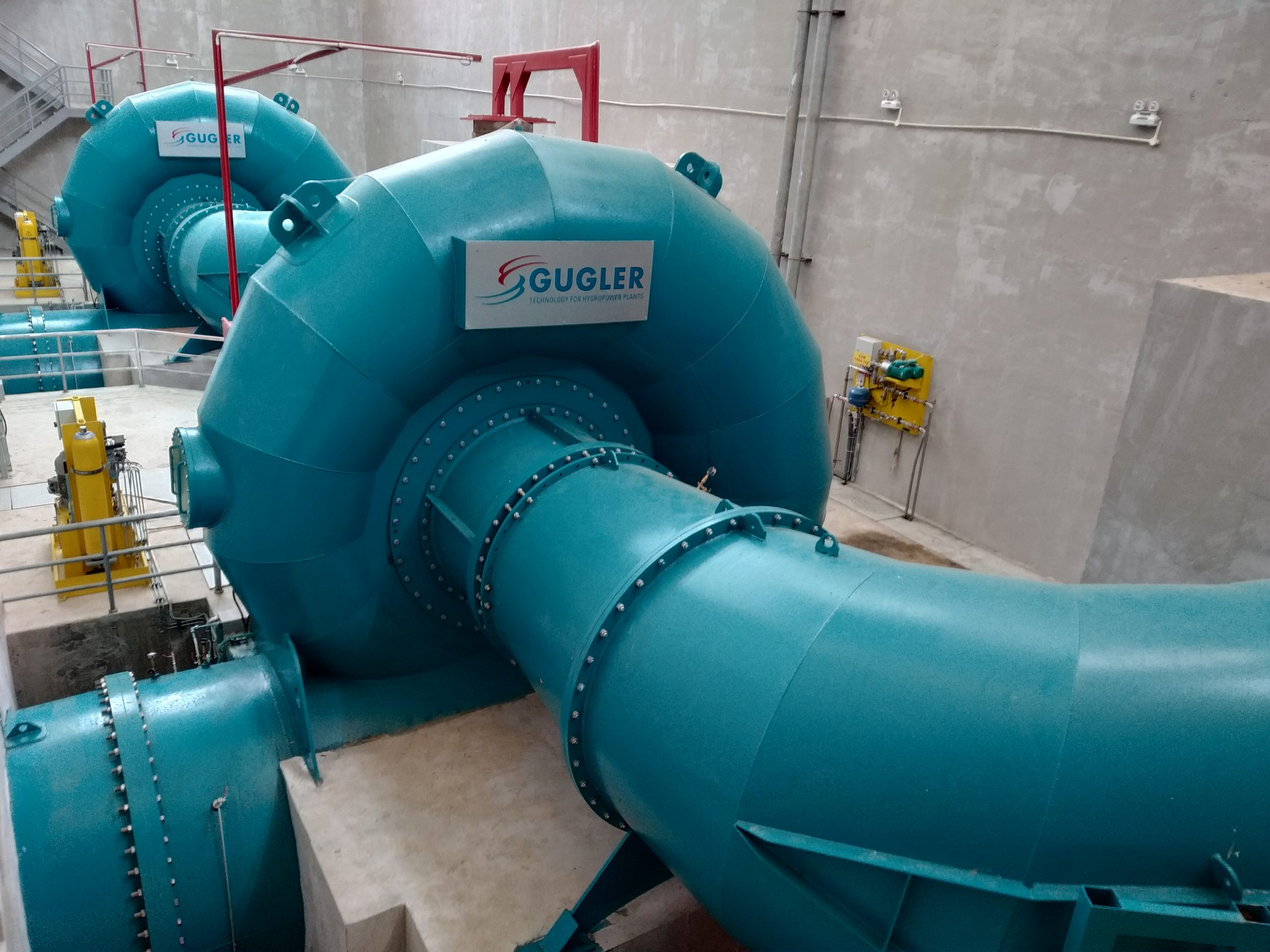
The Gravity Battery: Why Pumped Hydro is the Only Sovereign Solution for Global Energy Security
Оставьте комментарий / Editors Pick, Stock Market / От asumb The Gravity Battery: Why Pumped Hydro is the Only Sovereign Solution for Global Energy Security The Battery Myth vs. Natural ...
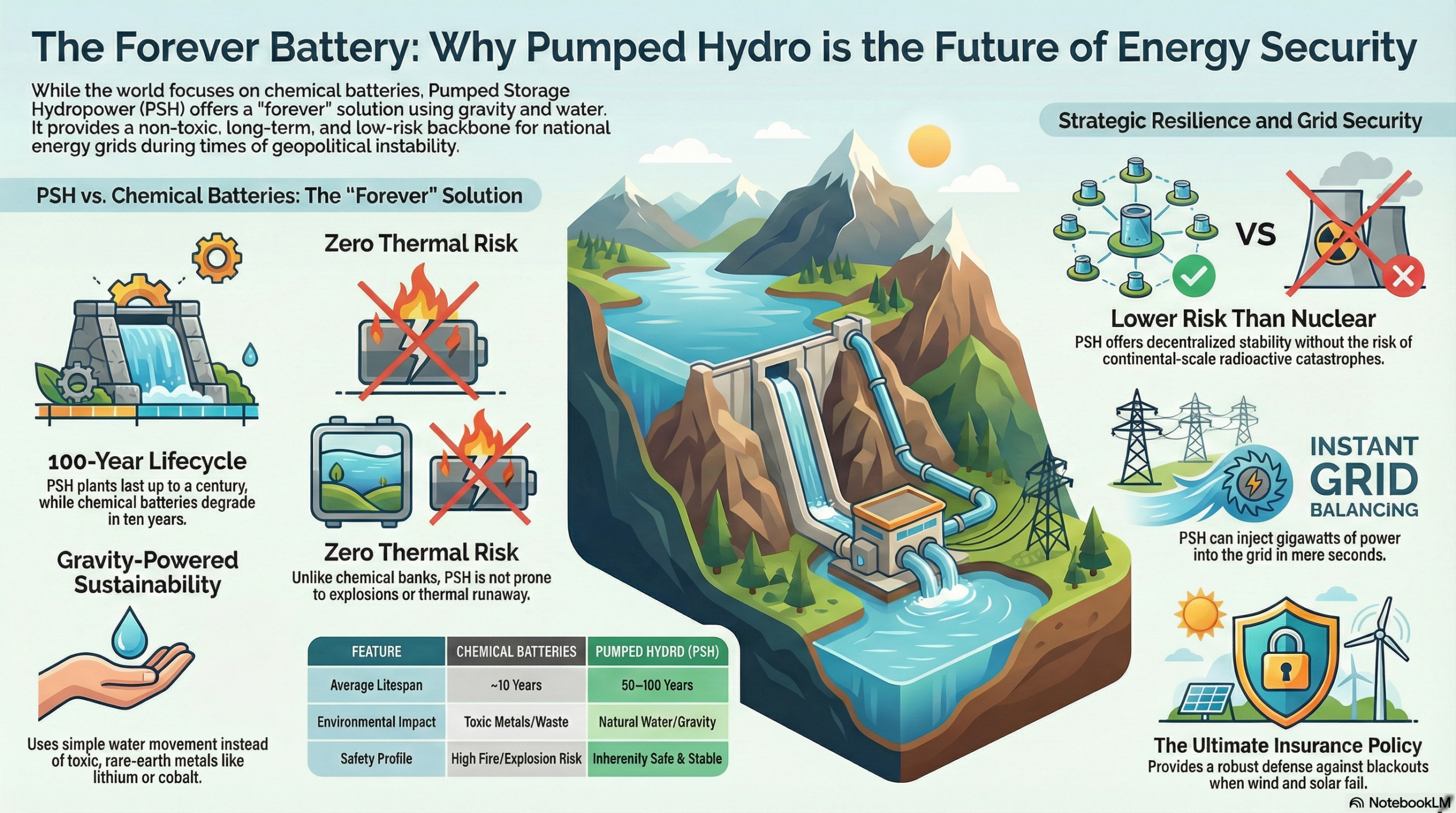
Why Pumped Storage Hydropower is the Ultimate Energy Security Solution
Discover why PSH is the only reliable «gravity battery» for grid stability. Learn why chemical batteries and nuclear risks can’t match the safety and scale ...
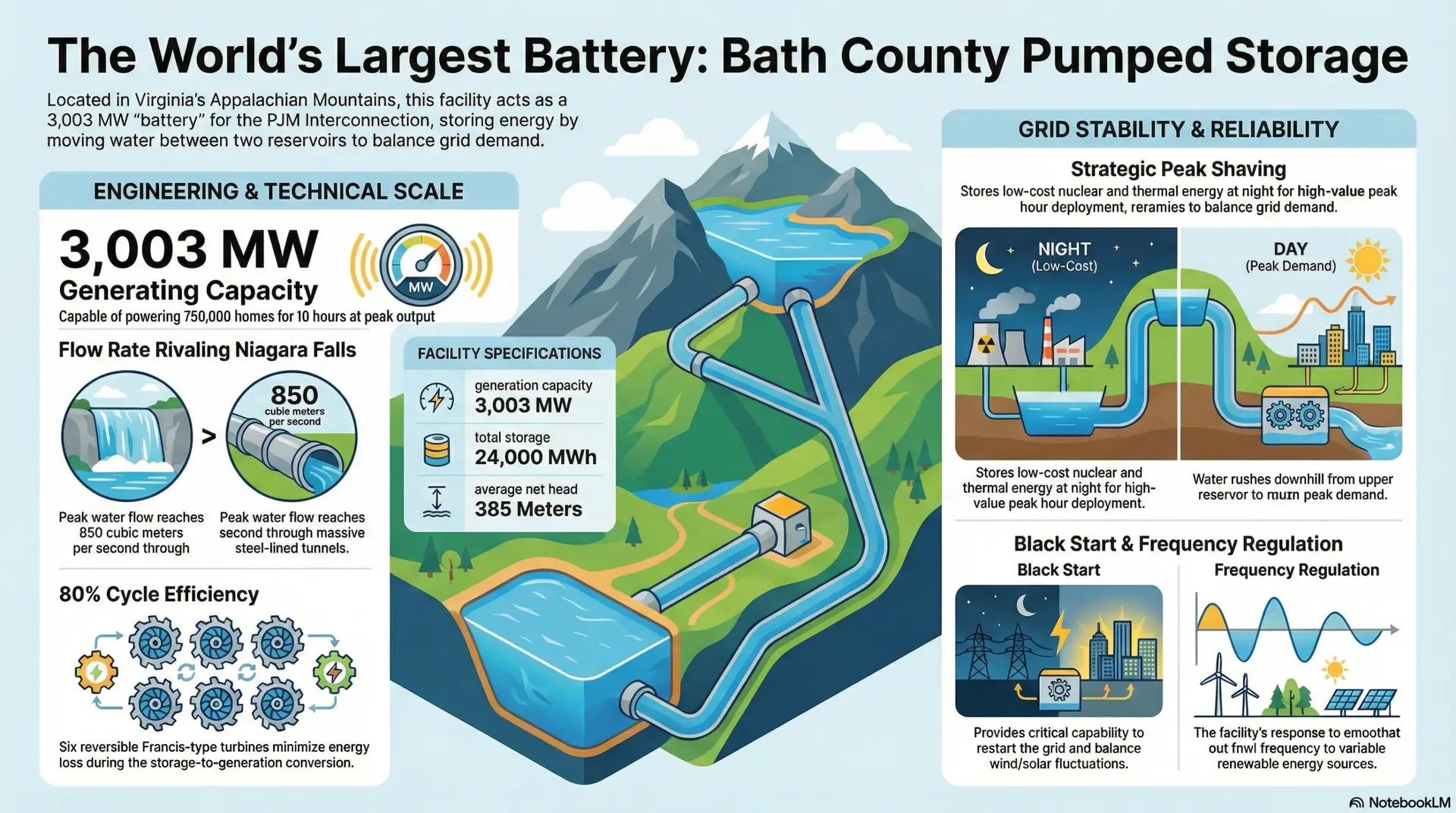
The Giant of Storage: Technical Overview of Bath County PSH
IThe Bath County Pumped Storage Station is a true engineering marvel. It is located in Virginia, USA. Many experts call it the «World’s Largest Battery.» ...

Site Integrity in Pumped Storage Hydropower: The Foundation of Geological and Geodetic Surveys
The viability of a Pumped Storage Hydropower (PSH) project depends entirely on the structural integrity of the site. Before a single cubic meter of concrete ...
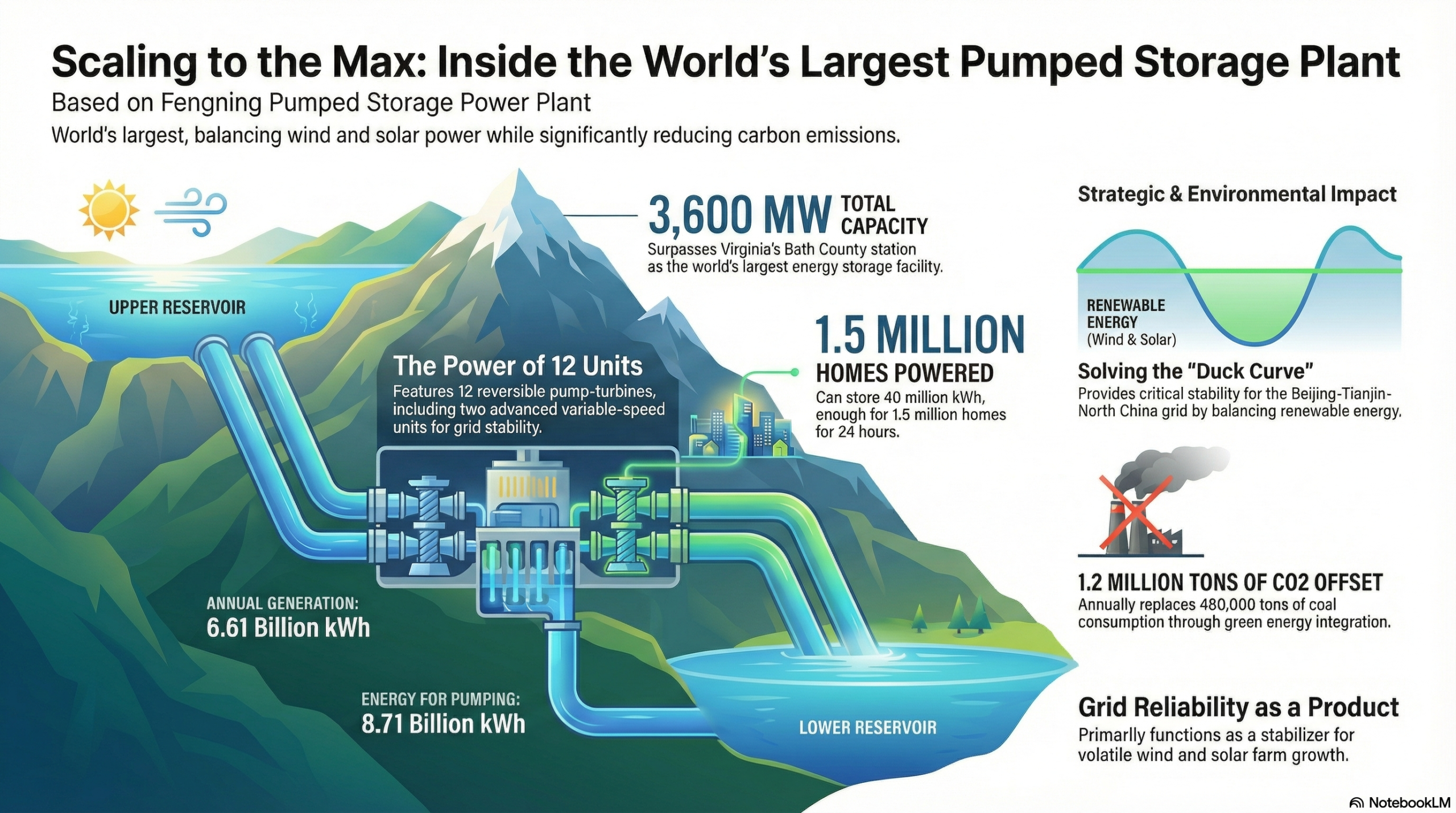
Scaling to the Max: Lessons from the World’s Largest PSH Plant in China
The Apex of Pumped Storage The Fengning Pumped Storage Power Plant in Hebei Province is a record-breaking achievement. With a total capacity of 3,600 MW ...