

Retrofitting vs. New Build: Why Modernizing is the Best Business Choice

The Strategic Dilemma

Investors often debate whether to build a new plant or upgrade an existing one. However, the business reality is that modernizing current assets is often superior. At asumb, we analyze both paths based on your project’s specific scale. Consequently, we frequently recommend retrofitting as the most predictable financial move.

1. Speed to Market: Understanding the Timeline

Timeframes vary greatly depending on the size of the hydropower plant.

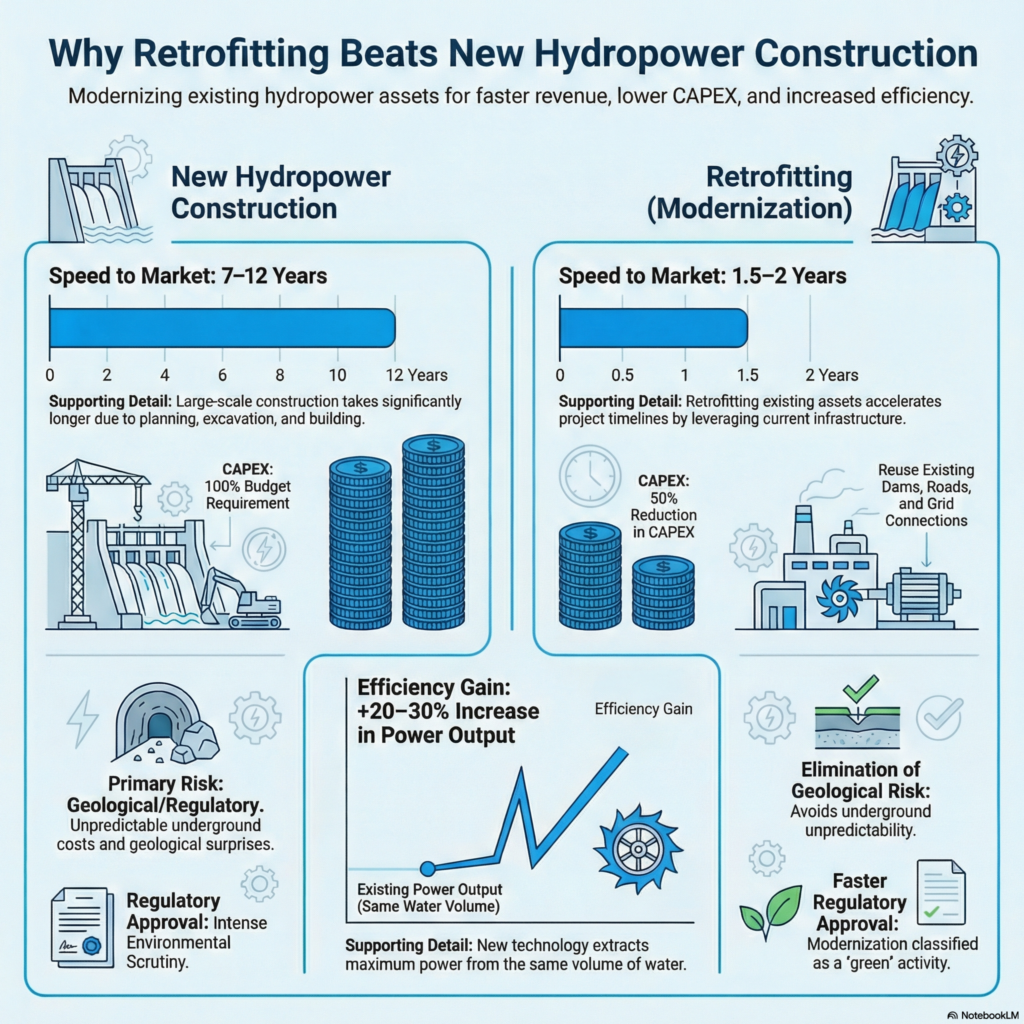
  • New Large-Scale Projects: Building a massive dam can indeed take 7 to 12 years. This is due to complex environmental impact studies and land flooding permits.
  • New Small-Scale Projects: Smaller «run-of-river» plants are faster. Specifically, they may take 3 to 5 years to complete.
  • Retrofitting: Regardless of size, modernizing an existing site is always the fastest option. Therefore, the process usually takes only 1 to 2 years.
  • The Result: You bypass the long «pre-construction» phase. Thus, you generate revenue much sooner.

2. Regulatory and Environmental Ease

Getting a new license is the biggest bureaucratic hurdle.

  • The Barrier: New dams face intense scrutiny from environmental groups.
  • The Advantage: Modernizing an existing site is recognized as a sustainable «green» activity. Specifically, you are improving an old asset without damaging new ecosystems.
  • As a result, permit approvals for retrofitting are significantly faster. Clearly, this reduces your legal risks.

3. Financial Risk and Infrastructure Savings

New construction involves unpredictable underground costs.

  • Hidden Costs: Digging new tunnels often leads to expensive geological surprises.
  • Existing Infrastructure: A retrofit utilizes the existing concrete, access roads, and grid connections. Consequently, you save up to 50% on total CAPEX compared to a new build of the same scale.
  • Efficiency Gains: Modern technology can increase the power of an old plant by 20%. Therefore, you get modern performance at a fraction of the price.

Conclusion: Modernization is the Practical Choice

A new build is sometimes necessary for national energy growth. However, for an investor seeking fast ROI, retrofitting is the logical winner. Clearly, it offers lower risk and faster deployment. By choosing to modernize, you turn a legacy asset into a high-performance profit center.

Submit details. Get custom technical calculations.

Submit your project details, and our engineering team will provide a comprehensive technical calculation. We analyze head, flow, and site conditions to ensure maximum efficiency for your future plant.

Storage

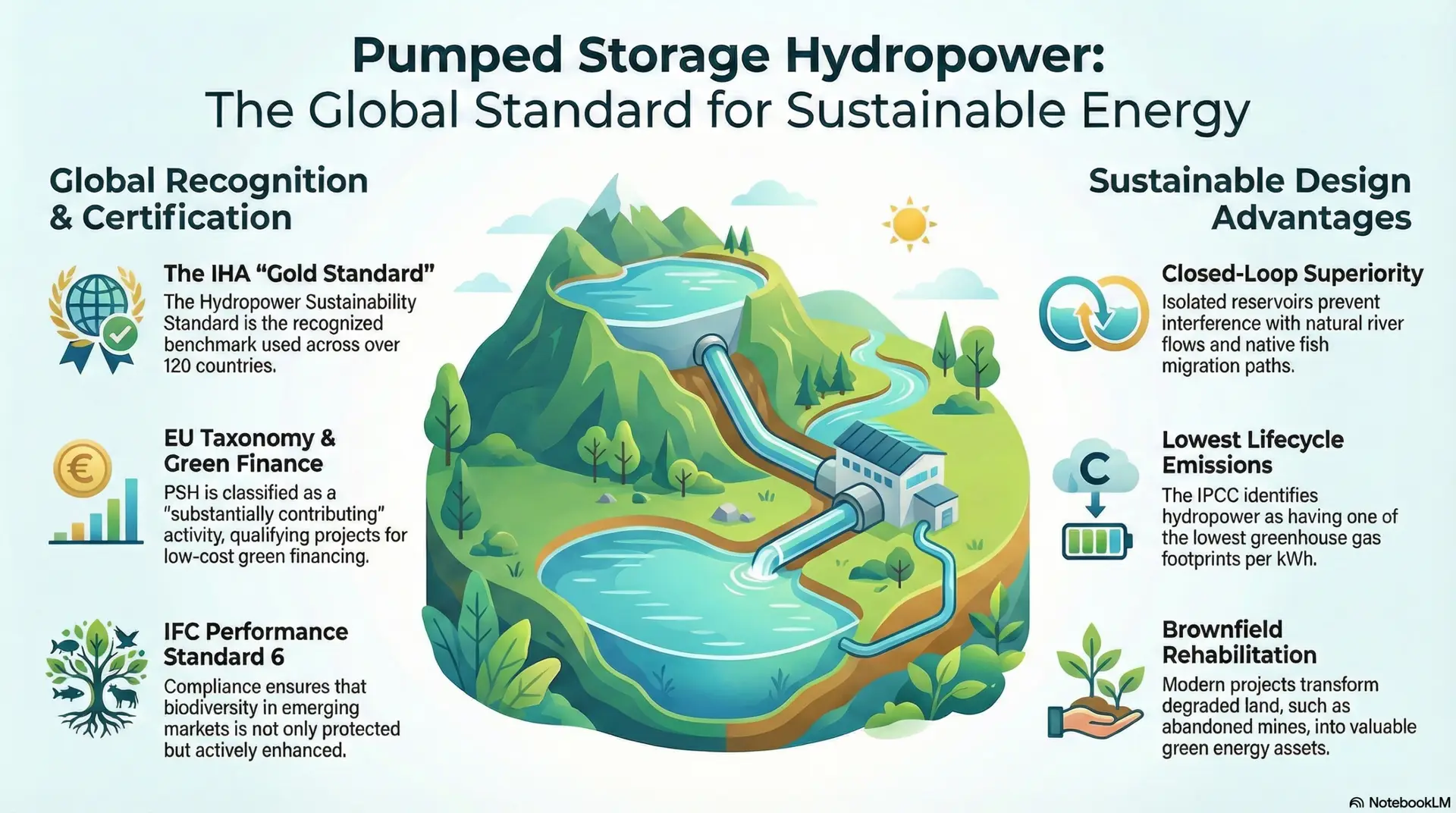
Environmental Harmony: Why Modern PSH is a Green Solution

Beyond Renewable Generation Global regulators no longer judge projects solely on their power output. Instead, they look at the lifecycle environmental impact. Modern Pumped Storage ...
Read More →
Land & Sites

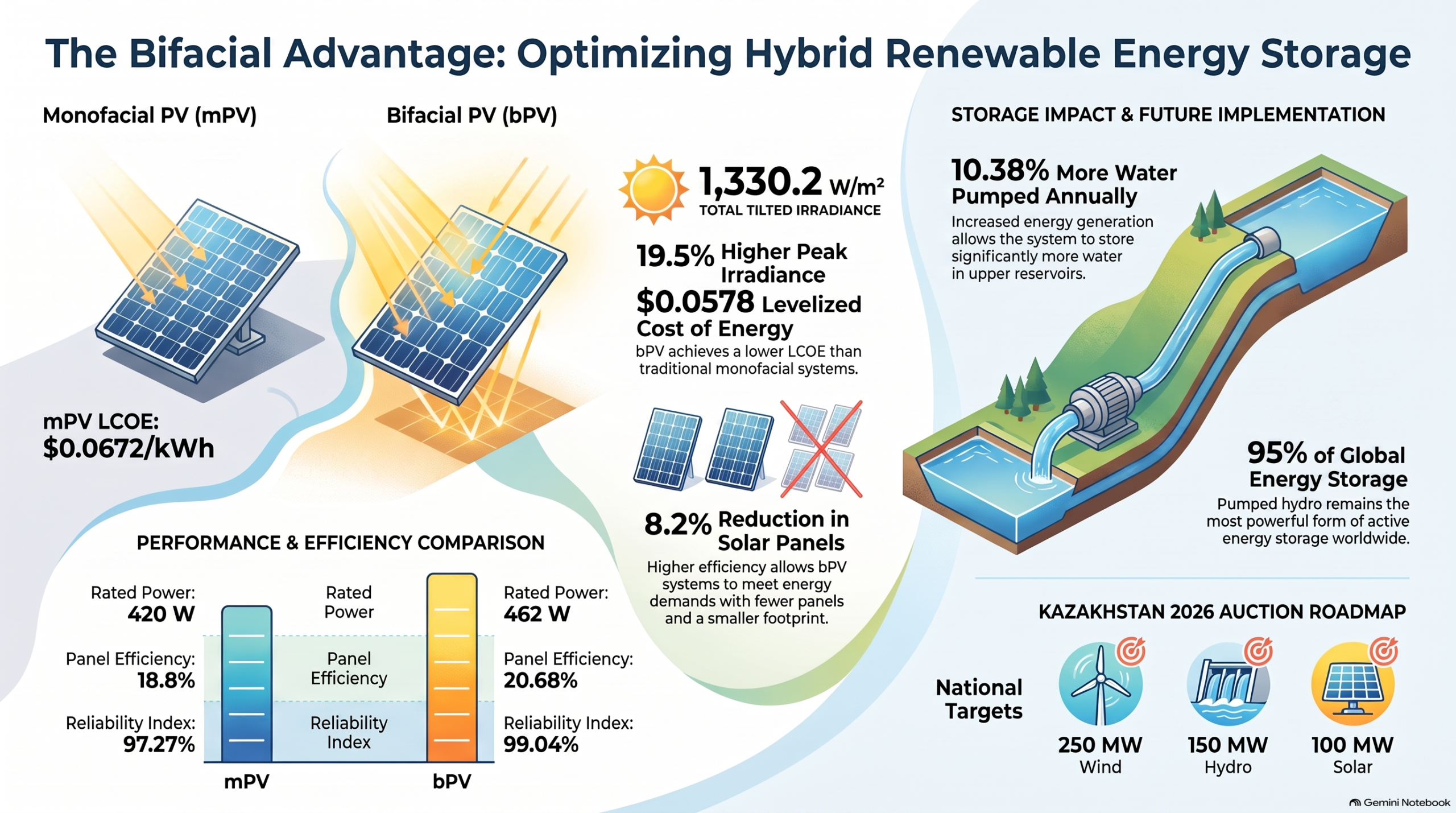
Investment Teaser: Hybrid Renewable Energy Hub on the Ili River (300 MW PSPP + 800 MW Solar PV)

A turnkey investment opportunity is available for the acquisition of a large-scale hybrid renewable energy complex located in the Qapshaqai region (Almaty Region, Kazakhstan) along ...
Read More →
Storage

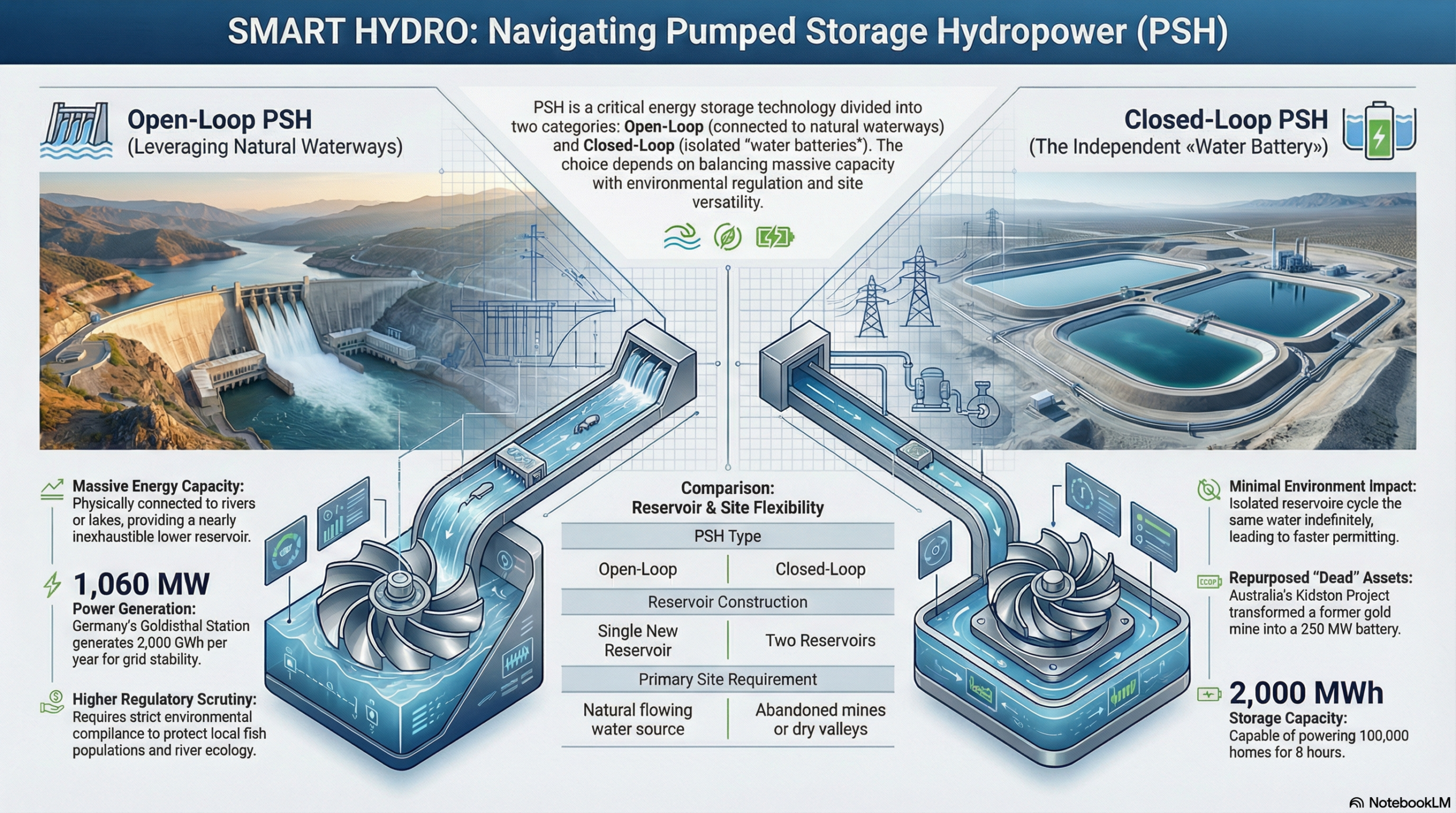
Closed-Loop vs Open-Loop: Which Storage System Fits Your Land?

Defining the Cycle Choosing a Pumped Storage Hydropower (PSH) system depends entirely on your geography and environmental goals. Basically, there are two main types: Open-Loop ...
Read More →
Resource Center

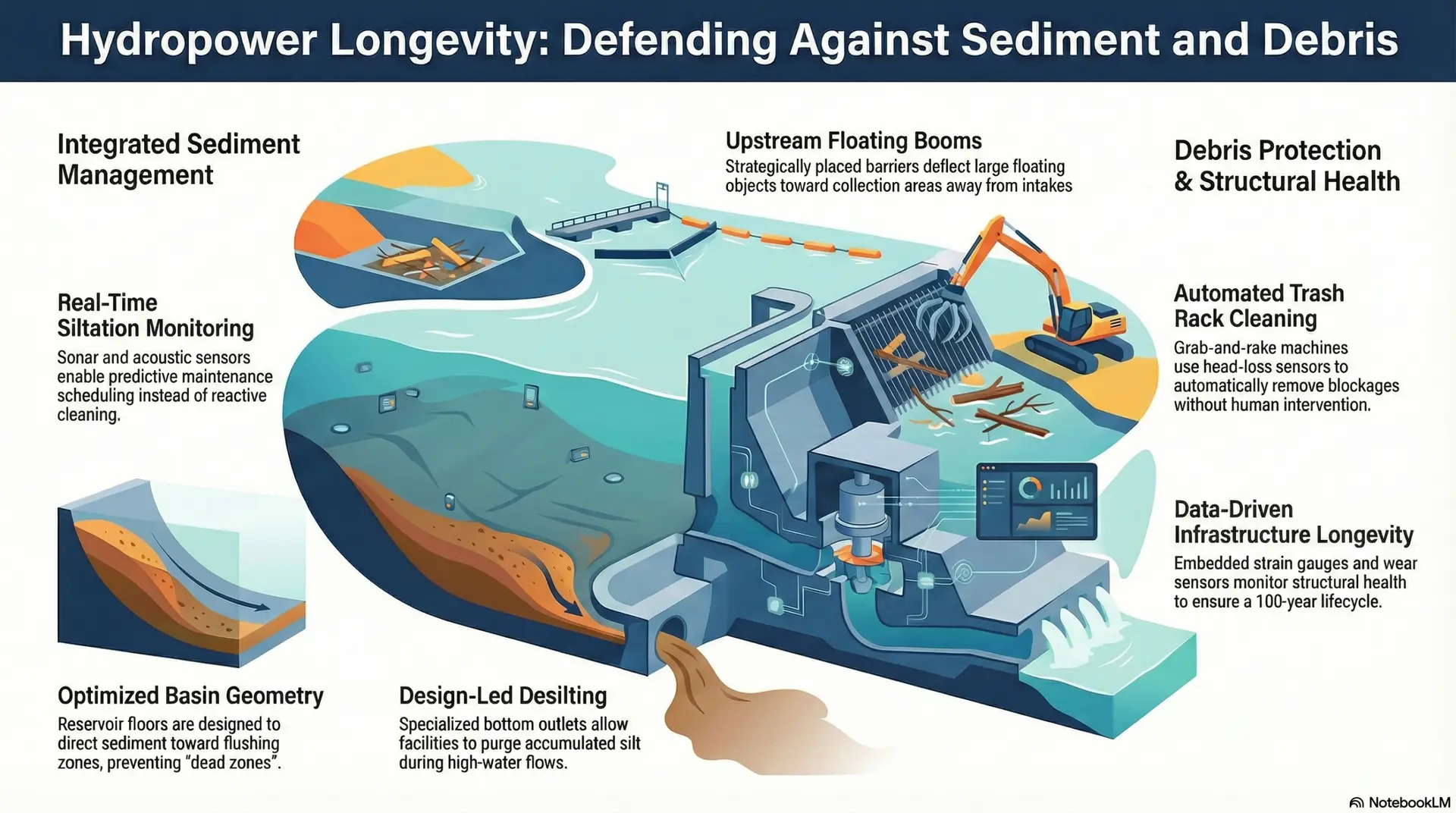
Operational Reliability: Protecting Hydropower Assets from Sediment and Debris

Long-term efficiency in hydropower is not just about power generation; it is about protecting the system from natural degradation. Sedimentation and floating debris are the ...
Read More →
Storage

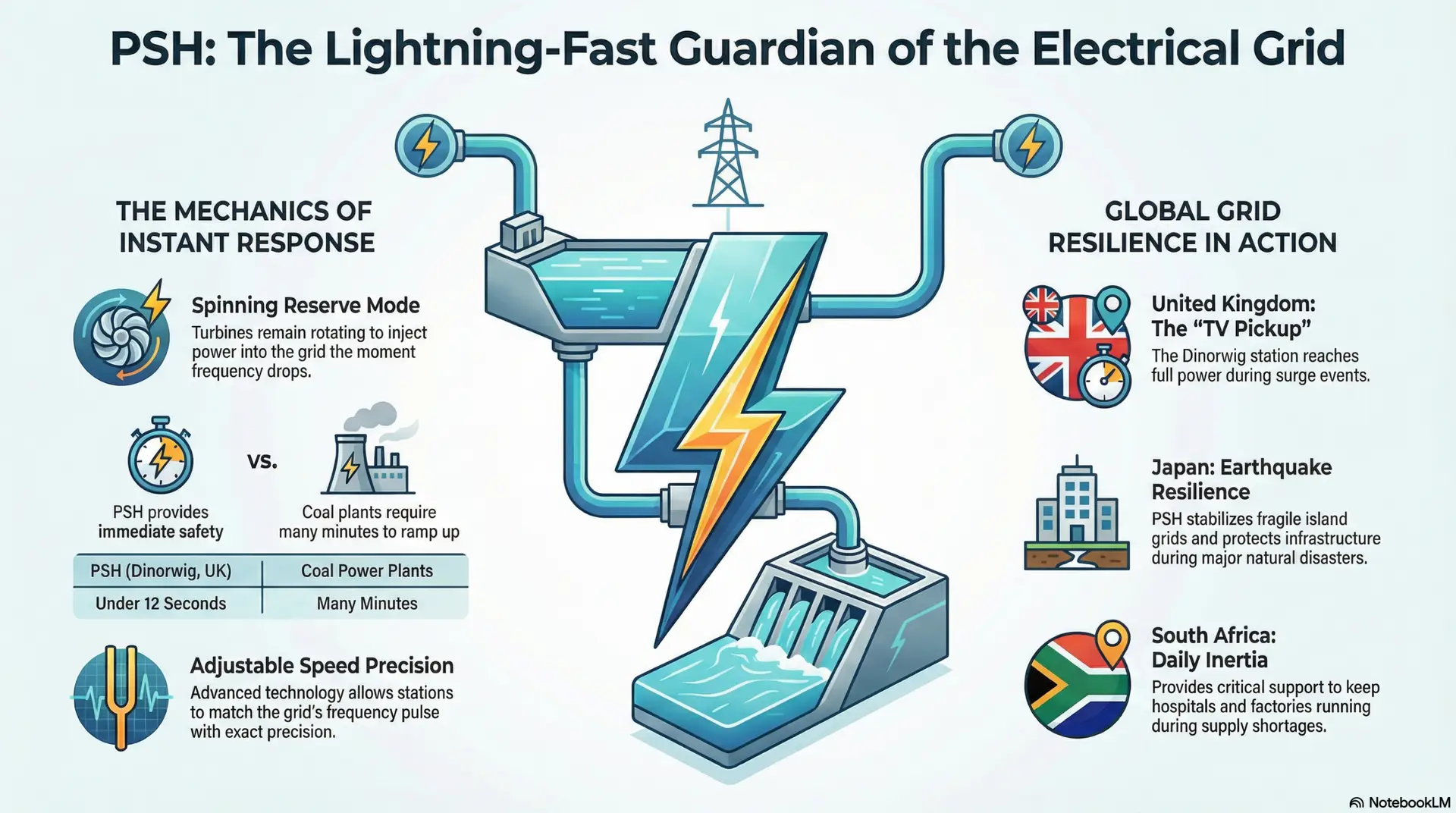
Fast Response: How PSH Restores Grid Frequency in Seconds

How PSH Restores Grid Frequency in Seconds Introduction: The Heartbeat of the Grid Every electrical grid has a heartbeat. This heartbeat is called frequency. However, ...
Read More →
Quality Standards

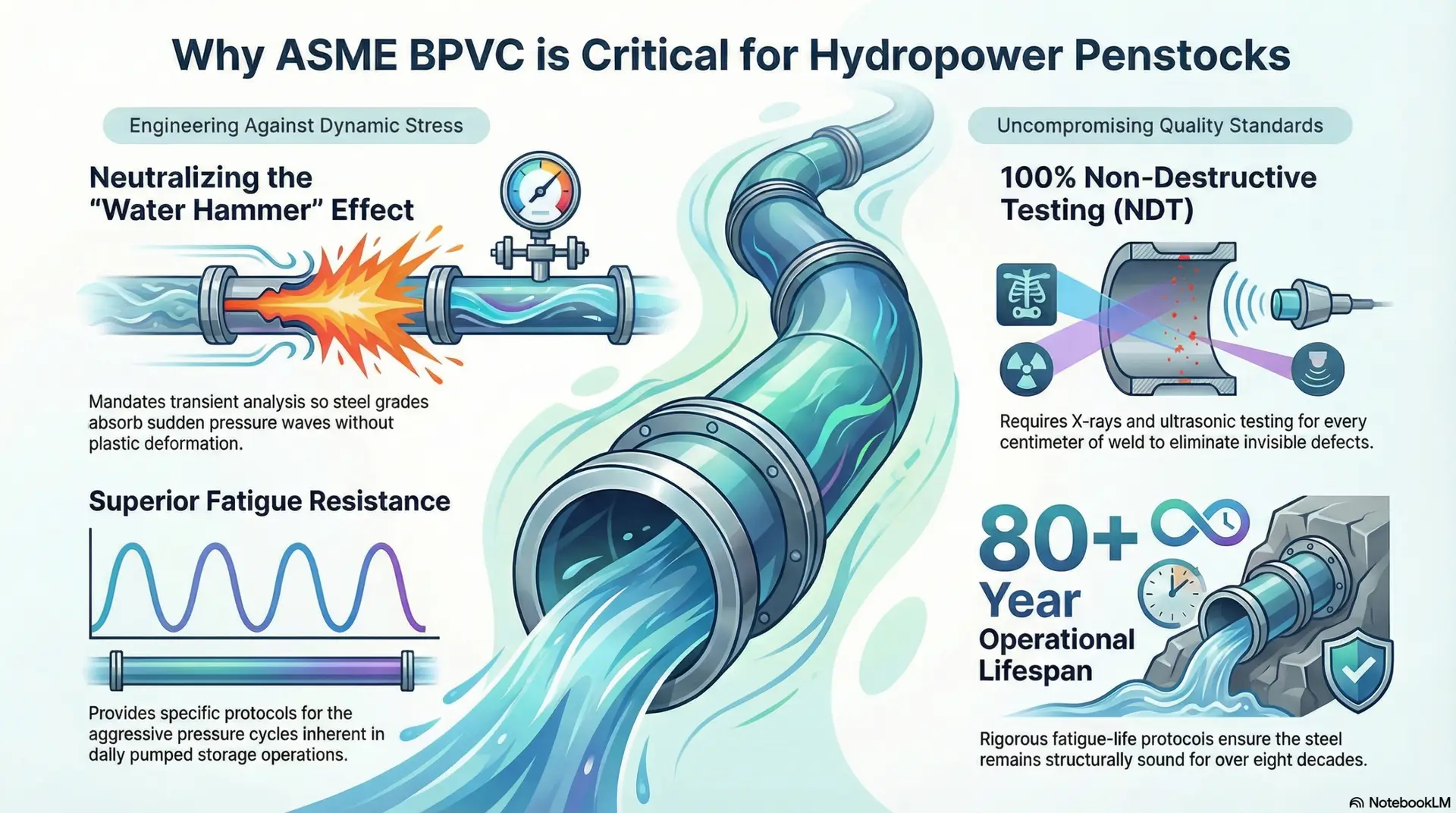
ASME BPVC: The Backbone of High-Pressure Penstocks

Why ASME Codes Prevent Pipe Failure In hydropower and pumped storage (PSH), penstocks are the arteries of the plant. They endure massive pressure, and any ...
Read More →