
Defying Gravity
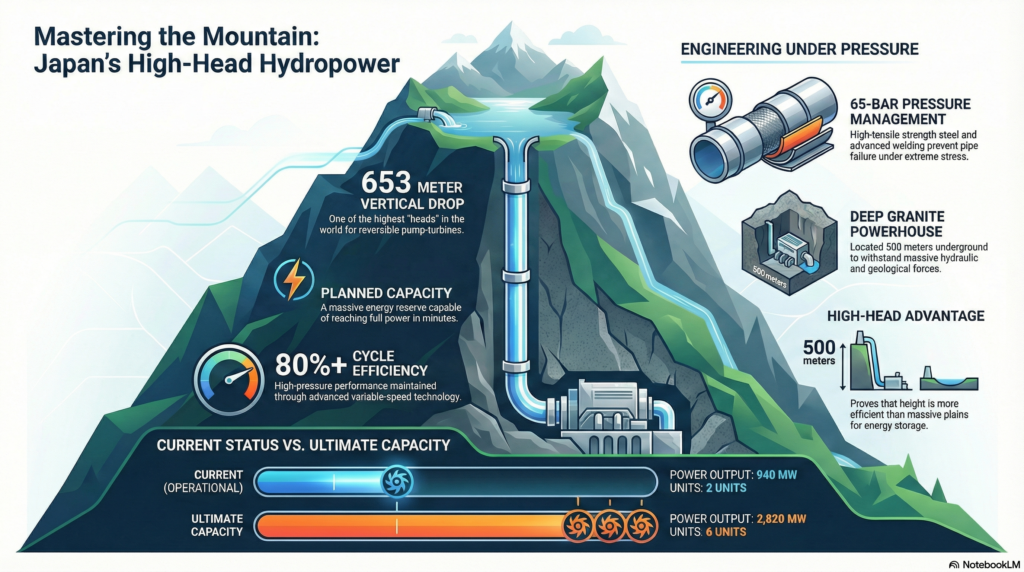
In the world of pumped storage, Head (the vertical drop) is power. The Kannagawa Pumped Storage Power Plant, located in the Gunma Prefecture, is Japan’s answer to the challenge of steep mountain terrain. With a maximum effective head of 653 meters, it stands as a testament to high-pressure engineering. At Hydro News, we explore how Japan mastered the forces of nature at this iconic site.
1. Technical Specifications: The Vertical Giant
Kannagawa is designed for extreme performance in a compact mountain footprint.
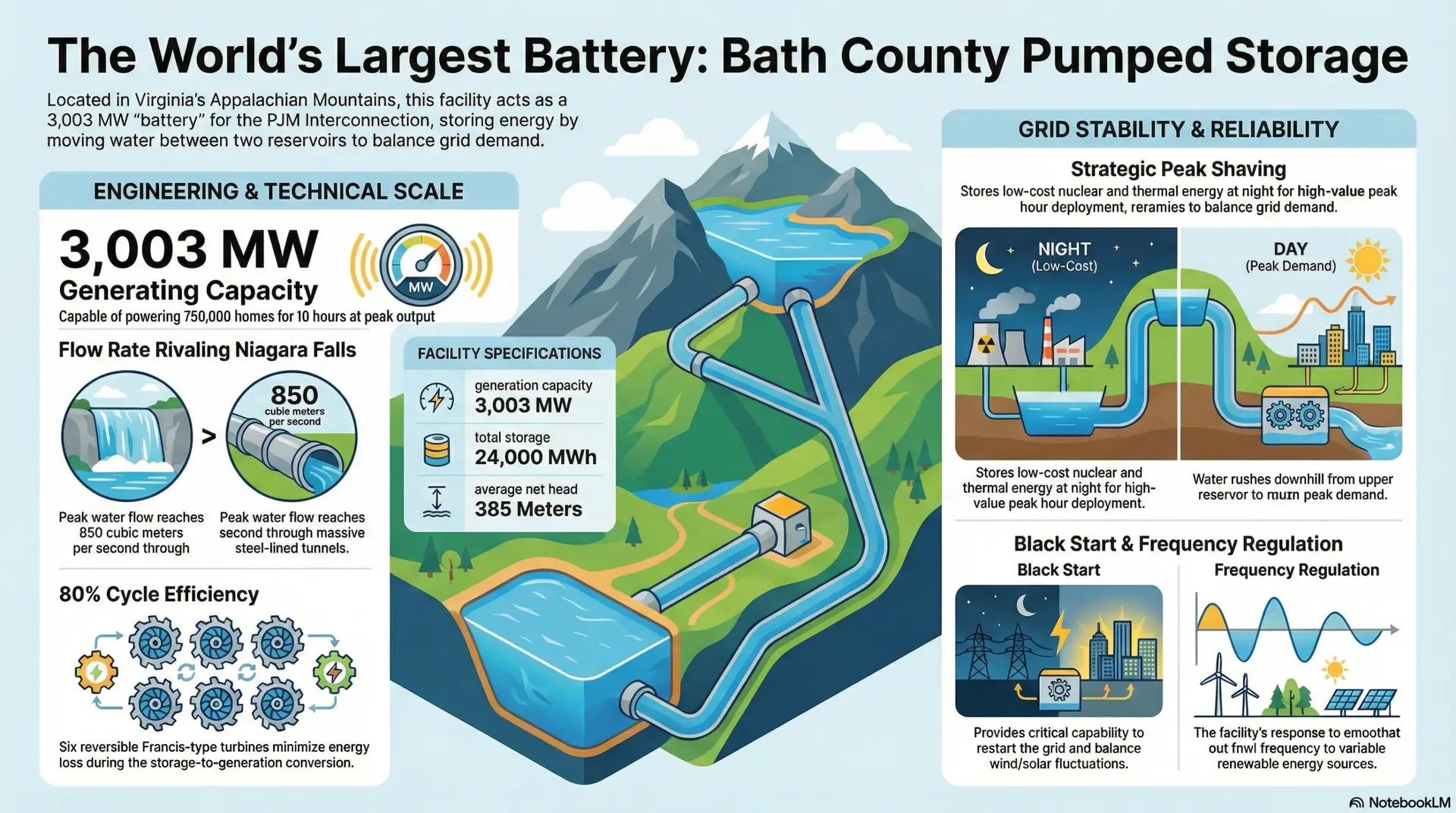
- Ultimate Capacity: 2,820 MW (planned total across 6 units).
- Current Status: Units 1 and 2 are operational, each producing 470 MW.
- Maximum Net Head: 653 meters (one of the highest for a reversible pump-turbine).
- Speed: 429 RPM – necessary to manage the immense water pressure.
2. The Engineering Challenge: Managing High Pressure
Operating at a 653-meter head creates a pressure of over 65 bar at the bottom of the penstock.
- Penstock Innovation: Japan used high-tensile strength steel and advanced welding techniques to prevent pipe failure under extreme stress.
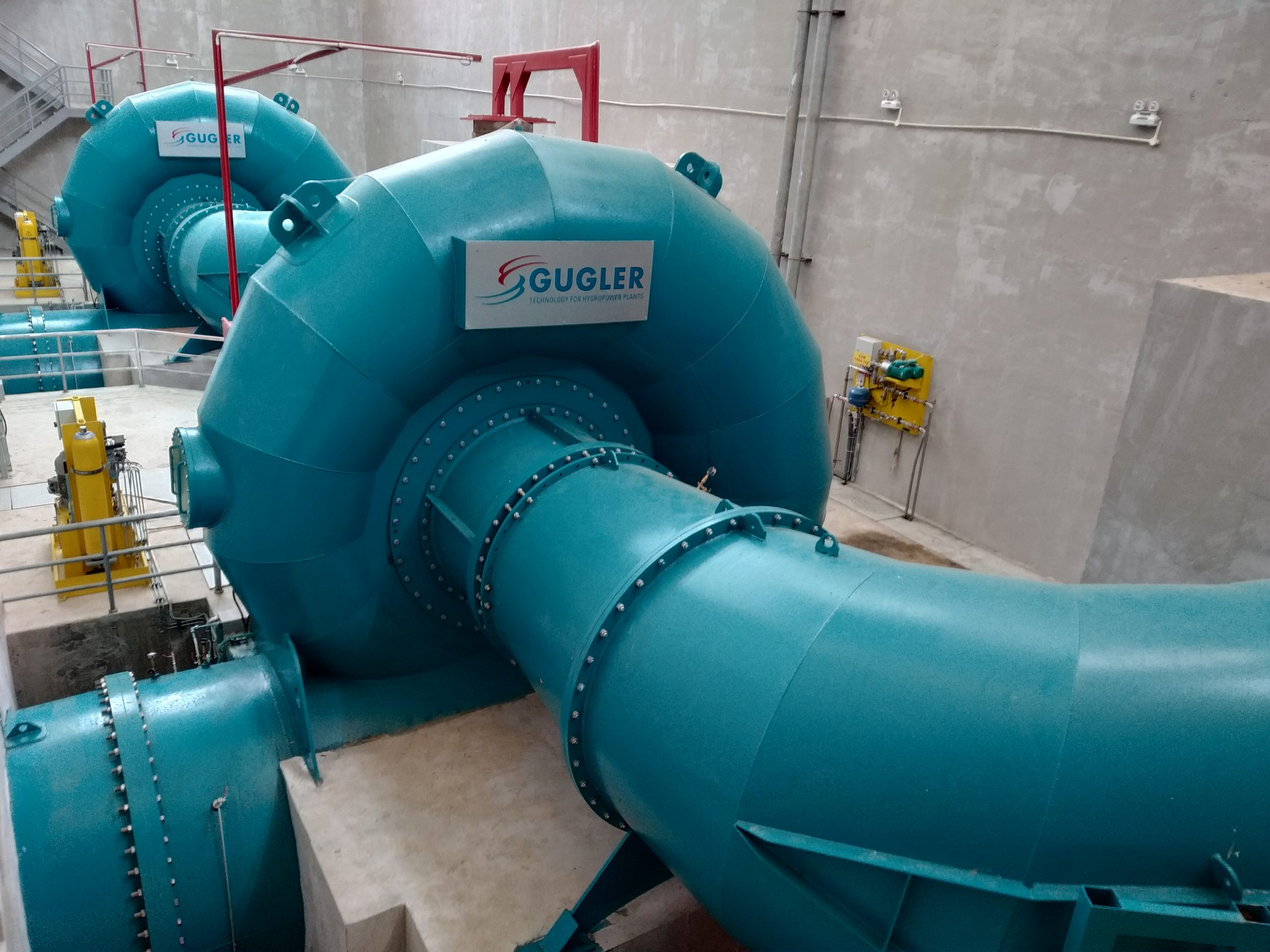
- Reversible Pump-Turbines: These units were developed by Toshiba and Hitachi-Mitsubishi. They are specifically designed to resist cavitation and vibrations caused by the high-velocity water flow.
- The Underground Powerhouse: Located 500 meters deep inside a granite mountain to withstand the massive hydraulic and geological pressures.
3. Efficiency and Reliability
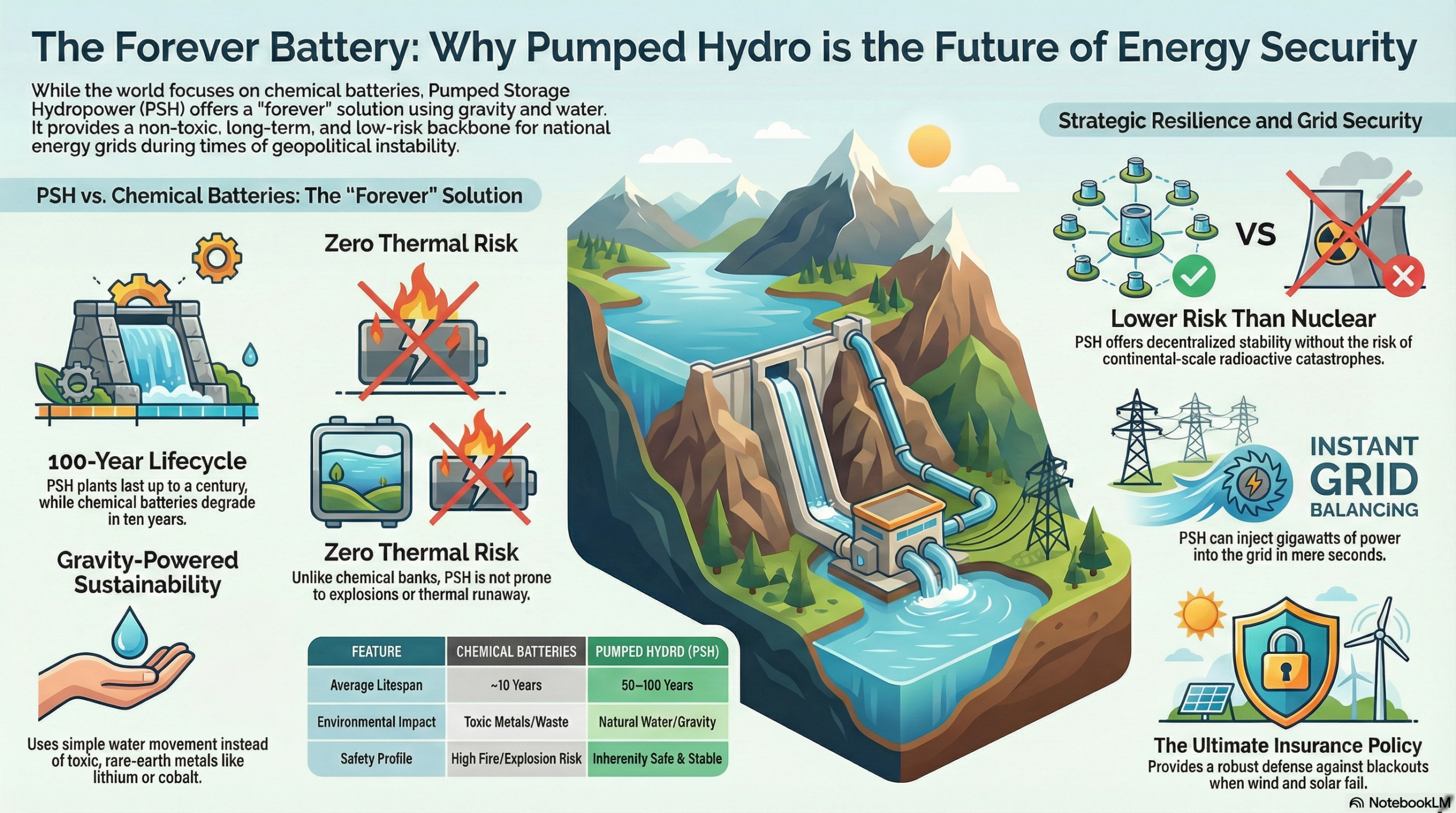
Despite the extreme pressure, Kannagawa maintains a cycle efficiency of over 80%.
- Variable Speed Advantage: Like many modern Japanese plants, Kannagawa utilizes variable-speed technology. Specifically, this allows the plant to stabilize the grid frequency even when pumping water uphill.
- Operational Role: It serves as a vital «emergency battery» for the Tokyo Metropolitan area, capable of reaching full power in minutes during peak demand.
4. Lessons for the Middle East and Central Asia
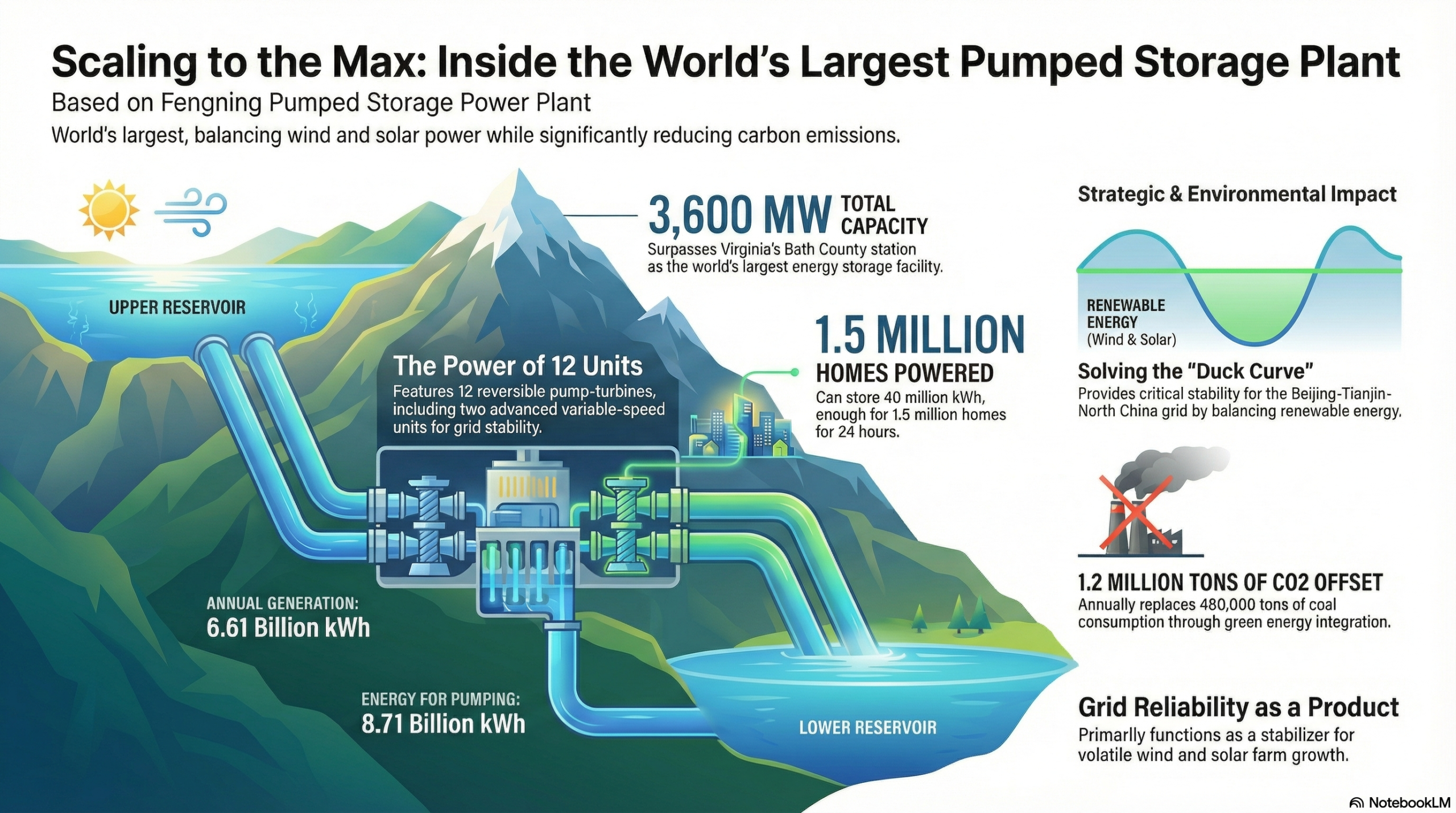
Kannagawa proves that you don’t need massive plains to build powerful energy storage; you need height. Clearly, for regions with steep mountain ranges (like the Alatau or Sarawat mountains), the «High-Head» model is far more efficient than building low-head dams. Ultimately, Japan’s success with high-pressure steel and deep-mountain construction is the blueprint for modern mountain hydro.
Conclusion: The Masterclass in Pressure
Kannagawa is more than a power plant; it is a laboratory for high-pressure hydraulics. Ultimately, as the world moves toward renewable energy, the ability to master mountain hydropower will be the key to a stable global grid.
Submit details. Get custom technical calculations.
Submit your project details, and our engineering team will provide a comprehensive technical calculation. We analyze head, flow, and site conditions to ensure maximum efficiency for your future plant.